
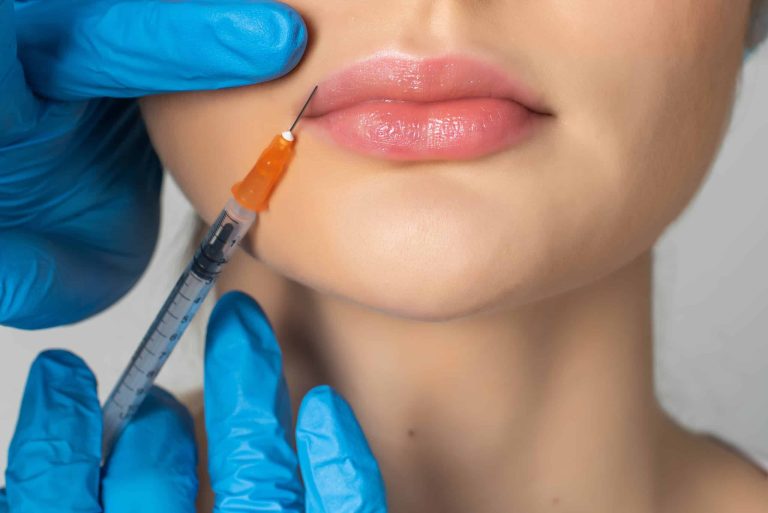
Integrating Botox (Botulinum Toxin) into a dental practice isn’t just about aesthetics; it’s a logical extension of oral healthcare. Dentists are arguably the most qualified professionals to administer these treatments because they spend their entire careers studying the anatomy of the head, neck, and face.
Here is a professionally structured page for your website that balances clinical benefits with patient-focused care.
Therapeutic Botox: More Than Just a Beautiful Smile
When most people think of Botox®, they think of smoothing wrinkles. However, in the world of modern dentistry, Botox is a powerful clinical tool used to treat chronic pain, jaw dysfunction, and complex oral health issues.
Because dentists possess an intimate knowledge of facial musculature and nerve structures, we are uniquely qualified to provide Botox treatments that are safe, precise, and incredibly effective.
Why Choose Your Dentist for Botox?
Many patients are surprised to learn that their dentist is often the best person to administer Botox. Here’s why:
-
Anatomical Expertise: Dentists perform hundreds of facial injections every year. We understand the precise location of every muscle and nerve in the face.
-
Comprehensive Care: We don’t just look at your teeth; we look at the entire “masticatory system,” including the joints and muscles that allow you to chew and speak.
-
Convenience: Treatments can often be completed during your routine dental check-up, saving you an extra trip to a specialist.
Botox for TMJ & Jaw Pain
If you wake up with a sore jaw or suffer from chronic headaches, you may be dealing with Temporomandibular Joint (TMJ) disorders. Botox works by temporarily relaxing the large muscles responsible for jaw movement—specifically the masseter and temporalis.
Benefits for TMJ patients include:
-
Reduced Clenching & Grinding (Bruxism): By relaxing the jaw muscles, Botox prevents the forceful “grinding” that wears down your teeth and causes pain.
-
Headache Relief: Many TMJ-related migraines are caused by muscle tension. Botox can significantly reduce the frequency and intensity of these headaches.
-
Non-Invasive Treatment: For many, Botox provides relief when mouthguards or physical therapy aren’t enough.
Other Clinical & Cosmetic Applications
Beyond TMJ relief, we use Botox to assist with several other dental and aesthetic concerns:
| Application | How Botox Helps |
| Gummy Smiles | Relaxes the upper lip muscle so less gum tissue shows when you smile. |
| Denture Adjustment | Helps patients transition to new dentures by relaxing the muscles that might otherwise displace them. |
| Orthodontic Relapse | Prevents overactive muscles from pushing teeth back out of alignment after braces. |
| Facial Aesthetics | Smooths fine lines, “crow’s feet,” and forehead wrinkles for a refreshed look. |
What to Expect During Treatment
The procedure is quick, minimally invasive, and requires no downtime.
-
Consultation: We assess your symptoms and facial anatomy to create a mapped-out treatment plan.
-
The Procedure: Using a very fine needle, the Botox is injected into the targeted muscles. Most patients describe the sensation as a minor pinch.
-
Results: You will typically begin to feel relief or see aesthetic changes within 3 to 7 days, with results lasting anywhere from 3 to 6 months.
Note: Our goal is always to provide a natural look and functional relief. You will still be able to speak, eat, and express yourself normally—just without the pain.