
Most people have dental questions they never ask. Not because they don’t want answers, but because the question feels too basic, too embarrassing, or too likely to get the answer they don’t want to hear.
Common concerns people hesitate to bring up include the following:
- Bleeding gums that appear without obvious reason.
- Bad breath that persists despite regular brushing.
- Teeth grinding noticed by a partner but not discussed with a dentist.
- Tooth discolouration that has been ignored for years.
Oral Square Dental Care is a trusted family dentist in Tarneit with a team that helps patients navigate these exact concerns without judgement. This blog addresses the questions patients are most reluctant to ask and gives straightforward answers to each one.
Dental concerns that people hesitate to discuss, including bleeding gums, bad breath, teeth grinding, and tooth sensitivity, can be early signs of underlying oral health issues. A family dentist in Tarneit, like Oral Square Dental Care, regularly assesses these concerns and recommends preventive care to help patients maintain long-term oral health.
Top Questions People Are Too Embarrassed To Ask Their Dentist
1. How Often Do You Really Need A Dental Check-Up?
Most people benefit from a dental check-up in Tarneit every six months, but there is no single schedule that suits everyone. Your ideal frequency depends on gum health, medical history, smoking habits, and previous dental treatment.
One thing most people don’t account for is that small problems quite often develop without any pain at all. Cavities, gum disease, and enamel wear can all progress significantly before symptoms appear. Regular check-ups catch these early, which tends to reduce both treatment complexity and cost considerably.
Get Honest Answers To The Dental Questions Most People Avoid
2. Why Do My Gums Bleed When I Brush And Is It A Sign Of Gum Disease?
Bleeding gums are not normal, even when it happens occasionally. In most cases, bleeding points to inflammation caused by plaque accumulation around the gumline.
A common assumption is that brushing should stop when gums bleed. That’s the opposite of what usually helps. Proper cleaning and a professional assessment are quite often what’s needed to address the underlying cause before more significant gum disease develops. Leaving it alone tends to make things worse rather than fixing it.
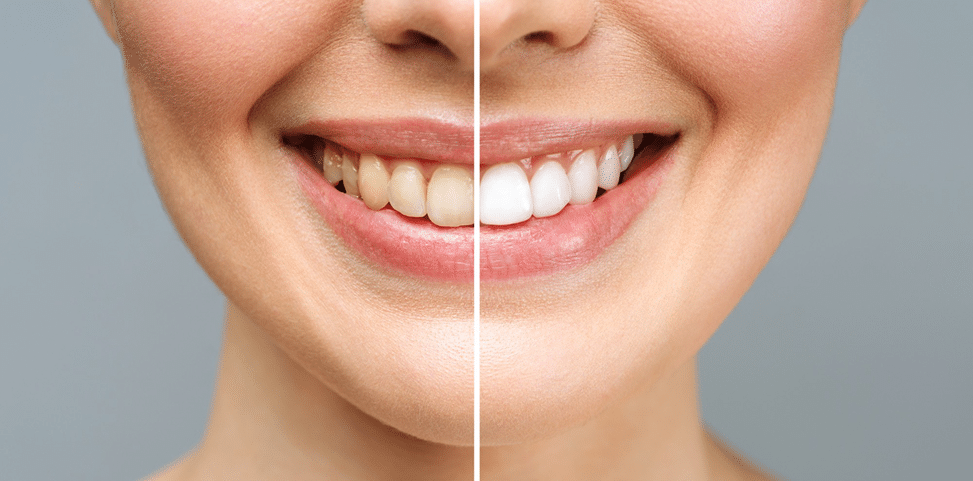
3. Is Teeth Whitening Actually Safe For Long-Term Oral Health?
Professional teeth whitening in Tarneit is generally considered safe when carried out under proper dental supervision. The concern most people carry is whether whitening permanently damages enamel. Current evidence shows that professionally administered treatments don’t affect enamel structure when used correctly.
What many patients don’t realise is that existing restorations like fillings and crowns don’t whiten at the same rate as natural teeth. This can affect colour consistency after treatment and is worth discussing during planning instead of noticing afterwards.
4. How Long Can Dental Fillings, Crowns, And Other Restorations Last?
Restoration lifespan depends on material choice, oral hygiene habits, and biting forces. There is no fixed answer that applies to everyone.
- Dental fillings in Tarneit can last many years when properly maintained.
- A dental crown in Tarneit can provide long-term protection for a weakened tooth when cared for correctly.
- Changes in the surrounding natural tooth structure can affect how long a restoration continues to perform effectively.
One thing most patients don’t expect is that restorations rarely fail suddenly. Small cracks, wear patterns, and marginal leakage develop gradually and are quite often identified during routine examinations before they cause a bigger problem.
5. What Causes Persistent Bad Breath Even When You Brush Regularly?
Bad breath is not always a hygiene problem, and brushing more often won’t resolve it if the source is somewhere brushing doesn’t reach. Odour-producing bacteria collect on the tongue surface, between teeth, and below the gumline.
Dry mouth, certain medications, sinus conditions, and digestive issues can all play a role as well. Most people brush the visible surfaces of their teeth and stop there. Tongue cleaning and interdental cleaning get overlooked, and that’s quite often where the odour is actually coming from.
Mouthwash masks the symptom without addressing the cause. A dentist can identify the source during a routine assessment and point you towards the right approach rather than guessing.
6. Should You Be Concerned About Teeth Grinding During Sleep?
Teeth grinding, known clinically as bruxism, can cause real damage even when the symptoms seem minor at first. Common signs include:
- Jaw soreness on waking.
- Headaches through the day.
- Worn or flattened tooth surfaces.
- Chipped or cracked teeth.
Many people grind their teeth during sleep without realising it at all. Dentists quite often detect grinding patterns before patients notice any symptoms themselves. Early intervention protects natural teeth and existing dental work from the kind of gradual damage that becomes expensive to address later.

7. Which Everyday Foods Can Quietly Damage Healthy Teeth?
It’s not one particular food causing the damage but how frequently teeth are exposed to acidic or sugary substances throughout the day. Enamel softens gradually with repeated acid exposure, making teeth more vulnerable to wear over time.
Dried fruits, sports drinks, flavoured sparkling waters, and constant snacking between meals are contributors most people don’t consider when thinking about dental health. The timing of brushing matters too.
Brushing immediately after acidic food or drink can work against you because enamel is temporarily softened and more easily worn away. Waiting at least thirty minutes and drinking water in the meantime reduces that risk considerably.
Make Informed Decisions About Your Long Term Oral Health
Make Informed Decisions About Your Long Term Oral Health
Conclusion
Most dental concerns that feel awkward to raise are things dentists deal with every day. Asking early prevents avoidable complications and keeps treatment simpler when issues do arise.
As a trusted family dentist in Tarneit, Oral Square Dental Care focuses on helping patients make informed decisions through practical guidance and preventive care. There are no questions our team considers too basic or too embarrassing. If you have concerns about your oral health, get in touch with us to book an appointment and get straightforward advice specific to your situation.
FAQs
Is it normal for teeth to be sensitive after a filling or cleaning?
Mild sensitivity after a filling or professional clean is common and quite often temporary. The tooth and surrounding tissue generally settle within a few days. Sensitivity that persists beyond a week or worsens rather than improves should be assessed by a dentist, so don’t sit on it assuming it will pass on its own.
Can stress affect your teeth and gums?
Yes, and in more ways than most people expect. Stress contributes to teeth grinding, jaw clenching, dry mouth, and changes in oral hygiene habits. Over time these factors increase the risk of tooth wear, gum inflammation, and other concerns that compound if they go unaddressed for too long.
What is the difference between a scale and clean and a deep clean?
A scale and clean removes plaque and tartar from above the gumline as part of routine preventive care. A deep clean targets bacteria and deposits below the gumline and is recommended when signs of gum disease are present. They serve different purposes; however, people quite often assume a scale and clean covers everything when it doesn’t in more advanced cases.
How do dentists decide whether you need a filling or a root canal?
The decision depends on how far decay or damage has reached into the tooth. If the nerve is still healthy, a filling may be all that is needed. If infection or significant nerve damage is present, a root canal in Tarneit is required to preserve the tooth rather than lose it. A proper examination and X-ray are what determine which applies to your specific situation.

Your family's trusted partner for dental health in Tarneit. Providing exceptional dental care to the Wyndham community with warmth, expertise, and a world-class atmosphere.