
Dental emergencies happen without warning and without good timing. One moment everything is fine. Next, someone is dealing with a knocked-out tooth, sudden swelling, or uncontrolled pain that makes it impossible to think clearly.
Many families deal with various dental problems that catch them completely off guard, such as the following:
- Sudden tooth pain disrupts daily activities and sleep.
- Dental trauma during sports, accidents, or a fall.
- Swelling or infection that worsens faster than expected.
Oral Square Dental Care has been a trusted emergency dentist in Tarneit. We focus on fast assessment, practical emergency care, and long-term treatment planning tailored to each patient. This blog covers exactly what to do when a dental emergency hits.
Dental emergencies cover a wide range of situations. Severe tooth pain, swelling, knocked out teeth, broken teeth, and infections all qualify when they need professional care urgently. Acting fast after dental pain increases the chances of saving a damaged tooth and reduces the risk of any further complication. Considering an emergency dentist in Tarneit can help you address severe concerns early.
What Counts As a Dental Emergency and What Can Wait?
Not every dental problem needs immediate emergency care. Knowing the difference saves both time and stress when something goes wrong.
Dental emergencies commonly include the following:
- Severe swelling around the face or jaw.
- Uncontrolled bleeding that doesn’t settle.
- Knocked out teeth requiring urgent handling.
- Broken teeth causing significant pain or sharp edges.
- Facial trauma from an accident or impact.
- Signs of infection like fever or difficulty swallowing.
Patients attending a routine dental check-up in Tarneit sometimes discover early problems before they develop into something more serious and more expensive to treat.
What Should You Do in the First 30 Minutes of a Dental Emergency?
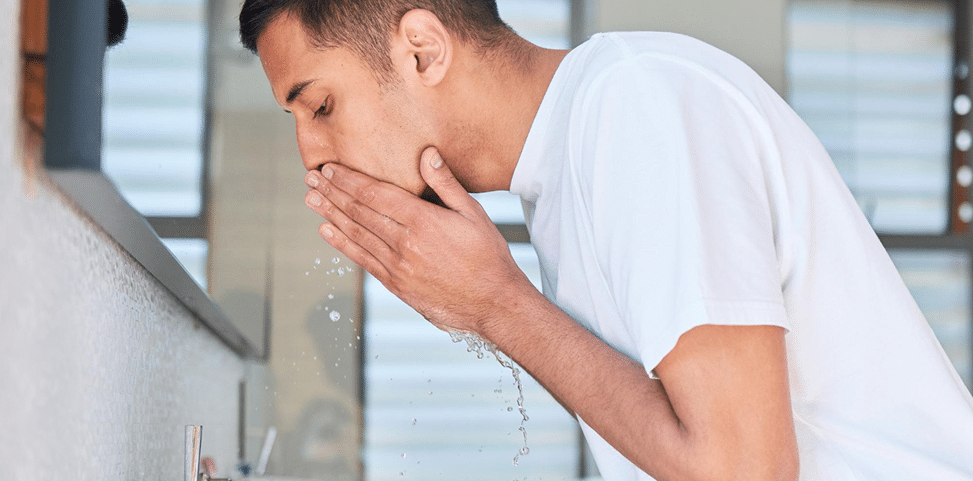
The first few minutes after a dental emergency are often the most important. Staying calm and protecting the affected area reduces additional damage while you work out what to do next.
Important first steps include the following:
- Rinse the mouth gently with clean water.
- Apply a cold compress to the outside of the face.
- Control bleeding by pressing gauze to the area.
- Avoid putting pressure on damaged teeth.
If swelling or pain increases rapidly, getting to a dental professional quickly is the right move.
How Do You Handle a Knocked Out Tooth Before Reaching the Dentist?
Time is the issue with a knocked-out tooth. The window for successful reimplantation is narrow, and it closes faster than most people expect.
Important handling steps include the following:
- Hold the tooth by the crown only, never the root.
- Avoid scrubbing or cleaning the root surface.
- Rinse dirt off gently with water if needed.
- Store the tooth in milk or keep it in the mouth against the cheek.
Some patients end up needing a dental crown in Tarneit after trauma. This happens when the tooth gets saved but the structure that remains isn’t strong enough to function without reinforcement.
What Should You Do If You Have a Cracked or Broken Tooth?
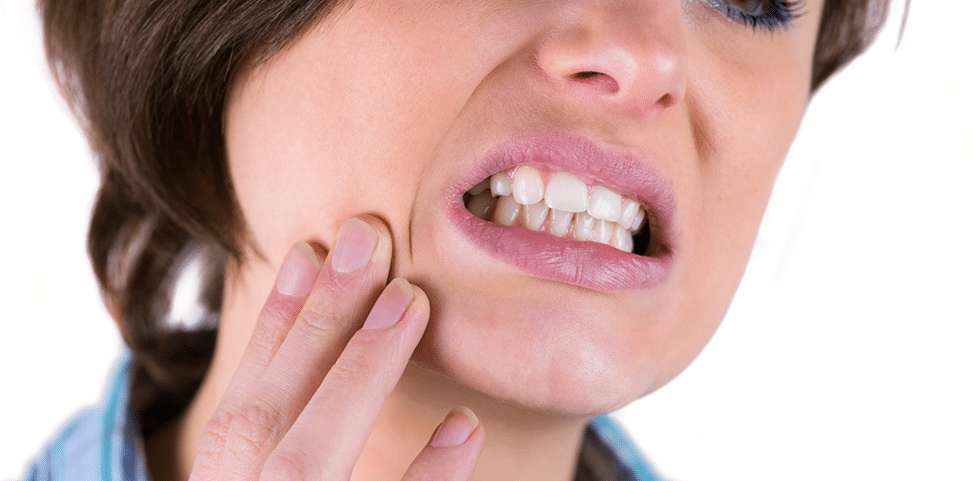
A cracked tooth is deceptive. It quite often causes no pain at first. The fracture spreads quietly until eating, temperature change, or direct pressure makes the problem impossible to ignore.
Temporary home care may include the following:
- Avoiding hard or crunchy foods.
- Rinsing with warm salt water to reduce bacteria.
- Protecting sharp edges with dental wax if available.
- Using cold compresses to manage any swelling.
When a fracture reaches the inner pulp, the tooth needs more than surface care. A root canal in Tarneit clears the infection and gives the remaining tooth structure a chance to survive long term.
How Can You Manage Dental Pain Safely at Home While Waiting for Urgent Care?
Pain management at home buys time. It doesn’t fix the problem, but it makes waiting for care more bearable.
Safe measures that tend to help include the following:
- Applying a cold compress to the outside of the jaw.
- Eating soft foods only and avoiding the affected side.
- Keeping the head elevated to reduce throbbing.
- Following medication instructions carefully and not exceeding the dose.
Persistent swelling, fever, or throbbing that doesn’t ease usually points to infection. That needs professional attention, not more home management.
Why Acting Fast in a Dental Emergency Can Save Your Tooth?
Delay is the thing that turns a manageable dental problem into a complicated one. Fast intervention changes the outcome in ways that no amount of later treatment can fully replicate.
Acting quickly may help with the following:
- Preventing infection from spreading to surrounding tissue.
- Reducing long-term structural damage to the tooth.
- Improving the chances the tooth survives at all.
- Keeping treatment simpler and less invasive overall.
In severe cases where a tooth can’t be saved, delayed care may eventually require dental implants in Tarneit to replace what was lost and restore normal function.
Conclusion
Dental emergencies escalate fast, especially when swelling, trauma, or infection is involved. Knowing how to respond in those first minutes makes a real difference to what treatment options remain available afterwards.
OralSquare Dental Care provides urgent dental care, emergency assessments, and personalised treatment planning for families across the local community. Whether you need immediate support from an experienced emergency dentist in Tarneit or long-term restorative care after dental trauma, our team is here to help.
Get in touch with us today for prompt dental assistance.
FAQs
Can a dental abscess become life-threatening if left untreated?
Yes, and this is not something to sit on. Untreated dental abscesses can spread infection into surrounding tissue, the jaw, or deeper into the body. Facial swelling, fever, difficulty swallowing, or trouble breathing are all signs the infection has moved beyond the tooth; so getting professional care immediately rather than waiting is the only sensible response.
How long can a knocked-out tooth survive before it can be reimplanted?
The sooner it gets treated the better, and most dental professionals agree that under an hour gives the best chance of success. Keeping the tooth moist the whole time matters quite a bit. Dry storage drops survival rates fast. Milk is the go-to storage option when nothing else is available and you can’t keep it in your mouth safely.
Is a broken filling considered a dental emergency?
Not always, but it shouldn’t be left alone either. A broken filling exposes tooth structure that can become sensitive, painful, or vulnerable to bacterial entry over time. Whether it needs same-day attention depends on how much tooth is exposed and whether there’s pain; however, booking an appointment within a day or two rather than weeks is the right call.
What should I keep in a home dental emergency kit?
Sterile gauze, a small container with a lid for storing a knocked-out tooth, cold packs, over-the-counter pain relief, salt packets for saline rinses, disposable gloves, and the direct contact number for your dental clinic. Having these ready means you’re not scrambling to find things when someone is already in pain and the situation needs to move quickly.

Your family's trusted partner for dental health in Tarneit. Providing exceptional dental care to the Wyndham community with warmth, expertise, and a world-class atmosphere.