
Children’s molars have tiny grooves where food and plaque settle in, and a toothbrush bristle often can’t reach all the way to the bottom. Even kids who brush twice a day can end up with decay in those spots. Fissure sealants in Tarneit add a thin protective layer over the grooves, which is most helpful for permanent molars that have only just come through.
Your child might be a good candidate for fissure sealants if they:
- Have deep, narrow grooves in their back teeth.
- Struggle to get their molars properly clean when they brush.
- Get cavities more easily than most kids.
Once you know when sealants are worth it, it’s easier to decide whether they’re right for your child. Keep reading to know how fissure sealants work, which children tend to need them, and how they keep young teeth safe from cavities.
Fissure sealants for kids are thin coatings that are applied to the grooves of the back teeth, primarily the molars, where plaque likes to build up. They make those places less likely to decay. The dentist will look at the growth of the teeth and the chances that your child will get cavities before suggesting them. Sealants complement brushing, fluoride and regular check-ups, they don’t replace them.
How Do Fissure Sealants Work?
The pits and grooves on a molar can be deep and narrow, so food and bacteria settle in places that are hard to clean properly. Once a sealant is on, it acts as a barrier and makes it harder for anything to get stuck there. That lowers the risk of decay on the sealed surfaces.
Sealants are most often considered for permanent molars as they come through. Depending on your child’s oral health, a dentist may suggest them for other teeth too.
They don’t replace daily brushing, fluoride toothpaste or dental visits. They’re one part of a wider plan to keep your child’s teeth healthy.
At What Age Should Children Get Fissure Sealants?
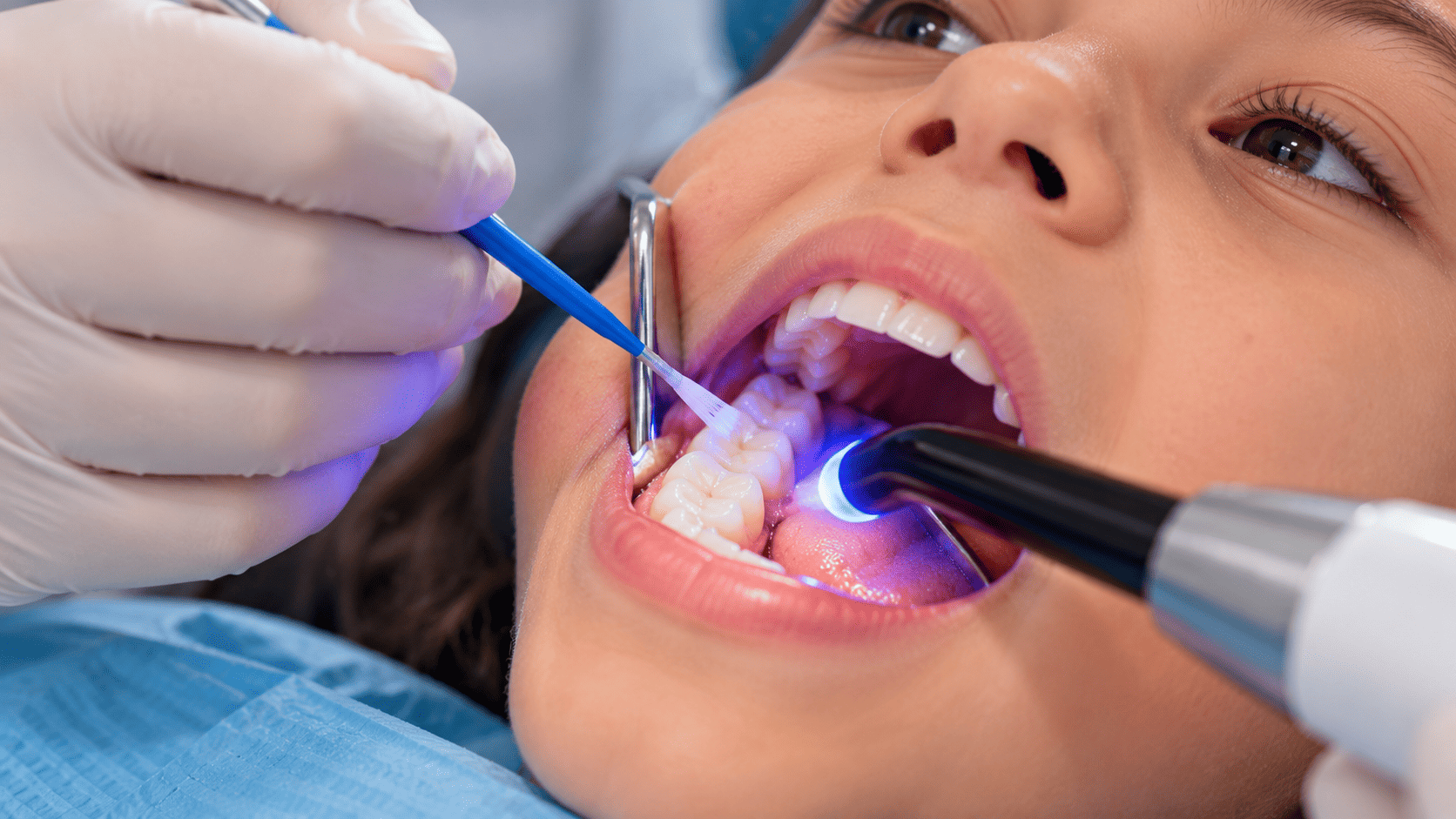
The first permanent molars usually come through around age six, and the second molars around twelve. Sealants are often considered at those points.
New molars are more vulnerable to decay. Kids are still learning to brush well, and the deep grooves are hard to clean. But age alone doesn’t decide it. Your dentist will check whether the molars have come through far enough, whether the tooth surface is healthy, and how likely your child is to develop decay. Some kids benefit earlier or later than average.
Which Children Benefit Most From Sealants?
Sealants tend to help kids who have deep grooves in their molars, a history of cavities, or trouble cleaning their back teeth. Your dentist might recommend them if your child:
- Has newly erupted permanent molars with deep grooves.
- Has already had cavities in other teeth..
- Finds it hard to brush the back teeth thoroughly.
- Is at higher risk of decay because of their hygiene habits or other factors.
Children with a lower risk may not need sealants on every molar. The decision should come from an examination, not just your child’s age or a standard schedule. A children’s dentist can look at the shape of the teeth, check for early signs of decay and explain which preventive steps suit your child.
What Happens During A Fissure Sealant Appointment?
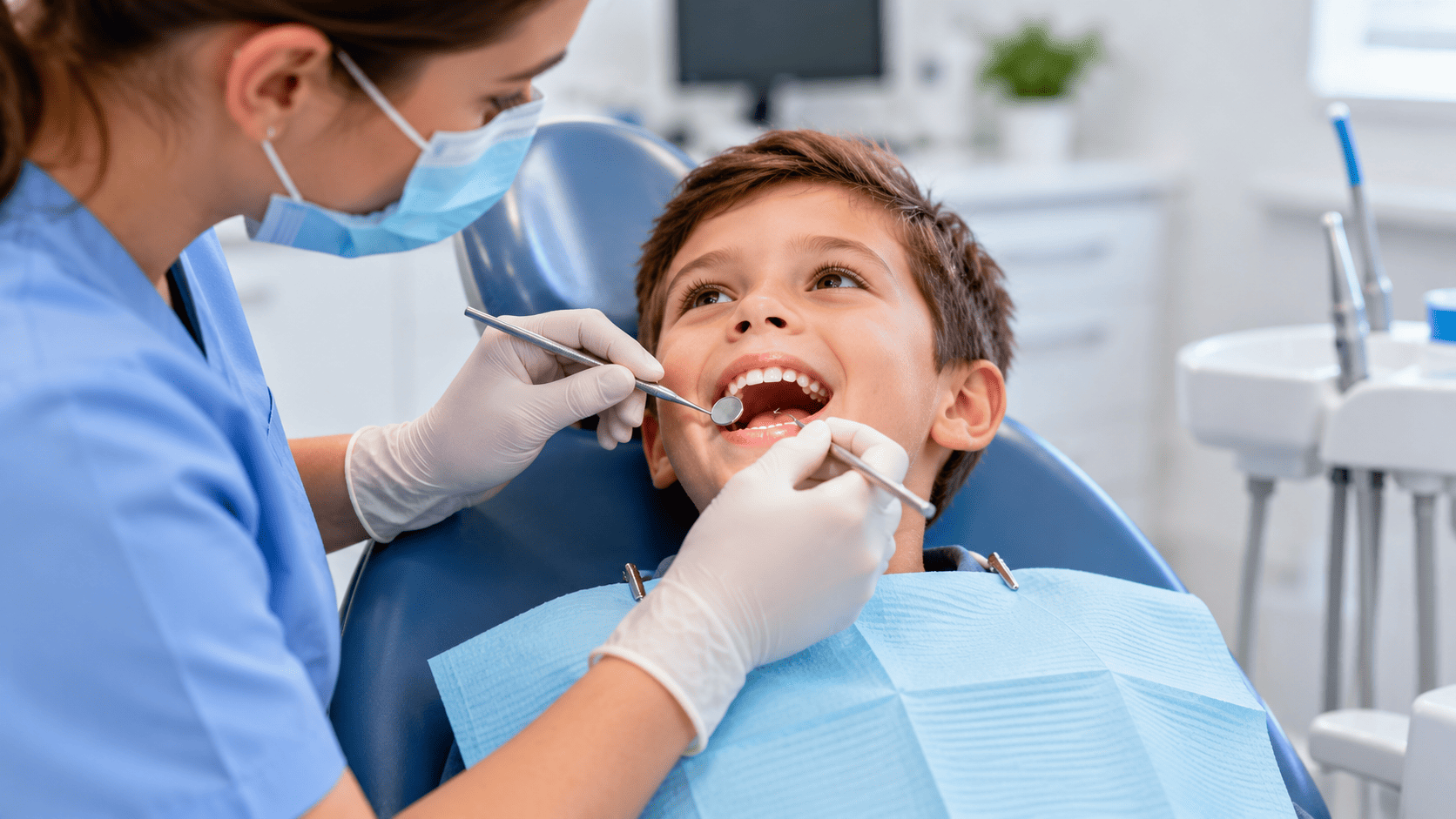
It’s usually quick and doesn’t involve drilling or injections, as long as the tooth is suitable for preventive sealing. The steps are:
- The dentist cleans the chewing surface to remove plaque and food debris.
- The tooth is dried and treated with a conditioning solution so the sealant bonds well.
- The liquid sealant is placed into the grooves.
- A curing light may be used to harden it.
- The dentist checks the sealant and your child’s bite.
Most children find the appointment comfortable. If a tooth already has decay, the dentist will look at a different treatment instead of simply covering it over.
How Long Do Fissure Sealants Last?
Several years, though it varies with the material, the tooth, your child’s bite and everyday wear. Sealants can chip or wear down, which is why regular check-ups matter. At each visit the dentist can see whether the coating is still intact and whether it needs repairing or reapplying.
You can help at home too:
- Brush twice a day with fluoride toothpaste suited to your child’s age.
- Help younger kids brush their back teeth properly.
- Limit frequent sugary snacks and drinks.
- Keep up regular dental check-ups.
- Follow your dentist’s advice on any extra preventive care.
Sealants reduce the risk of decay in the grooves they cover, but they can’t stop every cavity. Unsealed surfaces can still decay.
Conclusion
For kids with deep molar grooves or a higher risk of decay, they can be a useful option. They protect the spots that are hardest to clean and may mean fewer fillings down the track.
Whether they’re right for your child depends on their teeth, their existing dental health and how likely they are to get cavities. A family dentist can walk you through the benefits, the limits and any other preventive options after an examination.
At Oral Square Dental Care, you can ask about sealants at your child’s next dental check up. If you’re considering fissure sealants in Tarneit, our assessment can help you decide whether your child needs them or not.
FAQs
Do fissure sealants hurt children?
Generally no. The tooth is cleaned, prepared and coated without drilling, and most children handle it well. If a tooth has decay or another problem, the dentist may recommend a different treatment after examining it.
Can children still get cavities after sealants?
Yes. Sealants protect the grooves they cover, but decay can still develop elsewhere on the tooth or on other teeth. Fluoride toothpaste, limiting frequent sugar and regular dental visits all still matter.
Do baby teeth need fissure sealants?
Sometimes. Baby teeth with deep grooves and a higher risk of decay may benefit, but not every child needs them. A dentist will consider the condition of the tooth, how long it’s expected to stay in the mouth and your child’s overall risk of cavities.

Your family's trusted partner for dental health in Tarneit. Providing exceptional dental care to the Wyndham community with warmth, expertise, and a world-class atmosphere.