
Pain is usually what gets people through the dentist’s door. By the time it shows up, though, the underlying problem has often been building for months without any warning signs at all.
- A cavity can grow for a long time before you ever feel it.
- Gum disease tends to take hold long before pain becomes part of the picture.
- Waiting too long to act can turn a simple fix into a complicated one.
- Catching things early is almost always cheaper and less invasive than treating them late.
At Oral Square Dental Care, we see this pattern play out regularly. Patients come in for what turns out to be major treatment, and in hindsight, a routine dental checkup in Tarneit months earlier would have caught it while it was still simple. Having worked with local families for years, we hear the same question on repeat: how often should I actually be doing this? Keep reading as we break down what is usually recommended for the best oral health.
Six months is the benchmark most adults are given for a dental checkup in Tarneit, and for good reason. It gives dentists a window to spot cavities, gum disease, and other issues while they’re still minor. That said, your own schedule might look different depending on your oral health history, any underlying medical conditions, and how much risk you’re carrying day to day. Some people can safely stretch that interval. Others need to shorten it. Either way, staying on top of regular checkups is one of the simplest things that experts like Oral Square Dental Care suggest to keep small problems from becoming expensive ones.
Why Is Every Six Months The Most Common Recommendation?
There’s a reason this interval keeps coming up: it gives dentists enough lead time to catch issues before they turn into something bigger.
Plaque and tartar build up gradually, even for people who brush and floss properly. That buildup is part of why routine visits matter so much. An experienced dentist in Tarneit can spot the early markers, things like enamel erosion, worn fillings, or inflamed gums, well before any of it becomes noticeable to the patient.
There’s also a tracking benefit that’s easy to overlook. When a dentist sees you consistently, they can compare what they’re seeing now to what they saw last time, which makes treatment decisions sharper and more accurate. And practically speaking, fixing a small problem early almost always costs less, takes less time, and involves far less discomfort than dealing with something that’s been left to develop.
Keep Your Teeth Healthy With Personalised Dental Care
Can Some People Wait Longer Between Dental Visits?
For a smaller group of low-risk patients, yes, an annual check can be enough.
If your gums are healthy, your hygiene routine is solid, you haven’t had recurring cavities, and there’s nothing complicated in your medical history, six-month visits might not be strictly necessary for you. That’s not a call to make on your own, though. It needs to come from a dentist who can actually assess your situation properly.
A proper oral health assessment is really the only reliable way to figure out whether a longer gap is appropriate. Trying to judge this yourself is risky, since plenty of dental issues give no warning at all until they’ve progressed. Stretching the interval without a professional’s input means problems can sit undetected for far longer than they should.
When Should You Visit More Frequently Than Every Six Months?
On the other end, some patients are better off coming in every three to four months.
This shorter interval tends to be recommended when someone has:
- A history of gum disease or other periodontal issues.
- Diabetes or another condition known to affect oral health.
- A pattern of recurring tooth decay.
- A smoking or tobacco habit.
- Multiple existing restorations in their mouth.
- A higher than average risk of plaque and tartar buildup.
Anyone undergoing treatment with an orthodontist in Tarneit often falls into this category too, since braces and aligners make hygiene harder to maintain and small issues easier to miss.
The logic here is straightforward: more frequent eyes on a higher-risk mouth means problems get caught while they’re still small.
What Happens During A Routine Dental Check-Up?
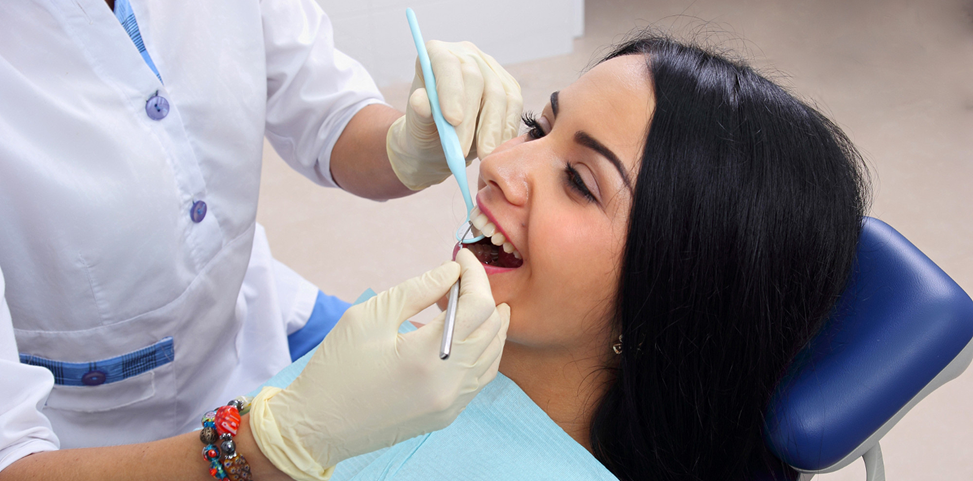
There’s more to a check-up than a quick look for cavities.
A typical appointment usually covers:
- A check of your gum health and any signs of disease.
- A look at your teeth for decay, cracking, or general wear.
- A review of existing fillings, crowns, or other restorations.
- An assessment of how your bite and jaw are functioning.
- A screening for anything unusual or potentially concerning.
- A conversation about your hygiene habits and how to improve them.
Most patients pair this with a professional teeth cleaning in Tarneit while they’re already in the chair. It makes sense, since cleaning clears out the hardened plaque and tartar that brushing at home simply can’t touch.
Together, this combination does a lot of the heavy lifting in keeping gums healthy and heading off future problems before they start.
How Can Regular Check-Ups Reduce Major Dental Treatment?
This is where the real value of routine visits shows up. A cavity caught early might need nothing more than a straightforward filling. Leave that same cavity untreated, though, and it can work its way deeper into the tooth until a root canal in Tarneit becomes the only way to save it.
The same logic applies to gum disease. Left unmanaged for long enough, it can progress to the point where a tooth extraction in Tarneit is the only remaining option.
There’s also a knock-on benefit for anyone already missing teeth. Getting ahead of it with an early conversation about dental implants in Tarneit can stop neighbouring teeth from drifting out of position, which saves complications later.
In nearly every case, staying ahead of a problem costs less, in money and in discomfort, than reacting to one after it’s already taken hold.

Why Trust Oral Square Dental Care?
Our team has spent years building experience in preventive and restorative dental care for families across Tarneit and the surrounding suburbs.
What we prioritise:
- Catching issues early rather than reacting late.
- Treatment recommendations grounded in evidence, not guesswork.
- Care plans built around the individual patient, not a generic template.
- Education that helps patients understand their own oral health long term.
At the core, our focus is to help people keep their smiles healthy while avoiding complicated treatment wherever that’s genuinely possible.
The Benefits Of Preventive Dental Care
The payoff from preventive care compounds over time, and it applies to patients of any age.
A consistent checkup routine helps with the following:
- Spotting problems before they ever become symptomatic.
- Cutting down the need for major restorative work.
- Keeping gums and teeth in better condition overall.
- Building stronger day to day hygiene habits.
- Saving money by catching things early rather than late.
- Supporting broader health, not just what’s happening in your mouth.
For many people searching for a dentist hoppers crossing or another clinic nearby, preventive care is exactly what they’re after, since it sidesteps the emergency visits and the bills that come with them.
Take Control Of Your Oral Health Before Problems Start
Conclusion
There’s no single schedule that fits every patient perfectly, but for most Australians, booking a dental checkup in Tarneit every six months is still the most reliable way to stay ahead of problems before they grow.
Oral Square Dental Care offers personalised prevention care according to your specific oral health status, lifestyle and history, not a one-size-fits-all approach. Whether it’s your regular check-up, professional teeth cleaning, advice from a trusted dentist, or something more complex, our team is here to assist.
If your last visit was more than six months ago, now’s a good time to reach out and book your next dental checkup in Tarneit.
FAQs
Is It Necessary To Visit The Dentist If My Teeth Feel Fine?
Yes. Plenty of dental problems don’t announce themselves with pain or discomfort. Regular visits are what catch decay and gum disease while they’re still easy to treat, and that’s almost always cheaper and faster than waiting until something hurts.
Can Professional Teeth Cleaning Damage Enamel?
No, not when it’s done properly. A professional teeth cleaning clears away plaque and tartar buildup without touching healthy enamel underneath, and it leaves gums in noticeably better shape afterwards.
Are Dental Check-Ups Important For Children?
Yes. Kids’ teeth and jaws change fast, so regular monitoring matters more than people sometimes assume. It gives dentists a chance to catch developmental issues early and set kids up with hygiene habits that tend to stick into adulthood.
What If My Dentist Finds A Cavity During A Check-Up?
An early catch usually means a simple filling does the job. This is exactly why routine dental checkups matter: they’re what stand between a quick fix and something more involved, like a root canal.
How Often Should Patients With Gum Disease Visit The Dentist?
Generally every three to four months. That tighter interval gives dentists more chances to monitor how the gums are responding, provide cleaning where needed, and slow down or stop the disease from progressing further.

Your family's trusted partner for dental health in Tarneit. Providing exceptional dental care to the Wyndham community with warmth, expertise, and a world-class atmosphere.