
A severe toothache can make the thought of dental treatment stressful. Many people delay booking an appointment because they expect a root canal to hurt more than the toothache itself.
- Will the procedure be painful?
- What happens during treatment?
- How long does recovery take?
At Oral Square Dental Care, patients seeking root canal in Tarneit can discuss their symptoms with a dentist and understand the recommended treatment before proceeding. Knowing what causes the pain, how dentists manage discomfort and what recovery involves can help you make an informed decision.
Usually not during the treatment itself. Your dentist numbs the tooth and the area around it with local anaesthetic, so what you’ll mostly notice is pressure or vibration. If you feel anything sharp, say so and your dentist in Tarneit will stop and check. Some tenderness afterwards is normal while the tissue settles.
Why Would A Tooth Need A Root Canal?
Inside every tooth is soft tissue called the pulp. When it becomes inflamed or infected, usually from deep decay, a crack, an injury or repeated dental work on the same tooth, a root canal treatment is often the way to save the tooth.
The signs to watch for:
- A toothache that’s constant or throbs
- Sensitivity to hot or cold that hangs around after the drink is gone
- Pain when you bite or chew
- Swelling or tenderness in the gum near the tooth
- A tooth that’s gone darker than its neighbours
Not every toothache means a root canal, though. A dental check up is how we work out what’s actually going on, and we may take an X-ray to see how far the infection has spread. If the infection is left alone, it generally gets worse, so don’t sit on persistent pain or swelling.
Root Canal Treatment Steps
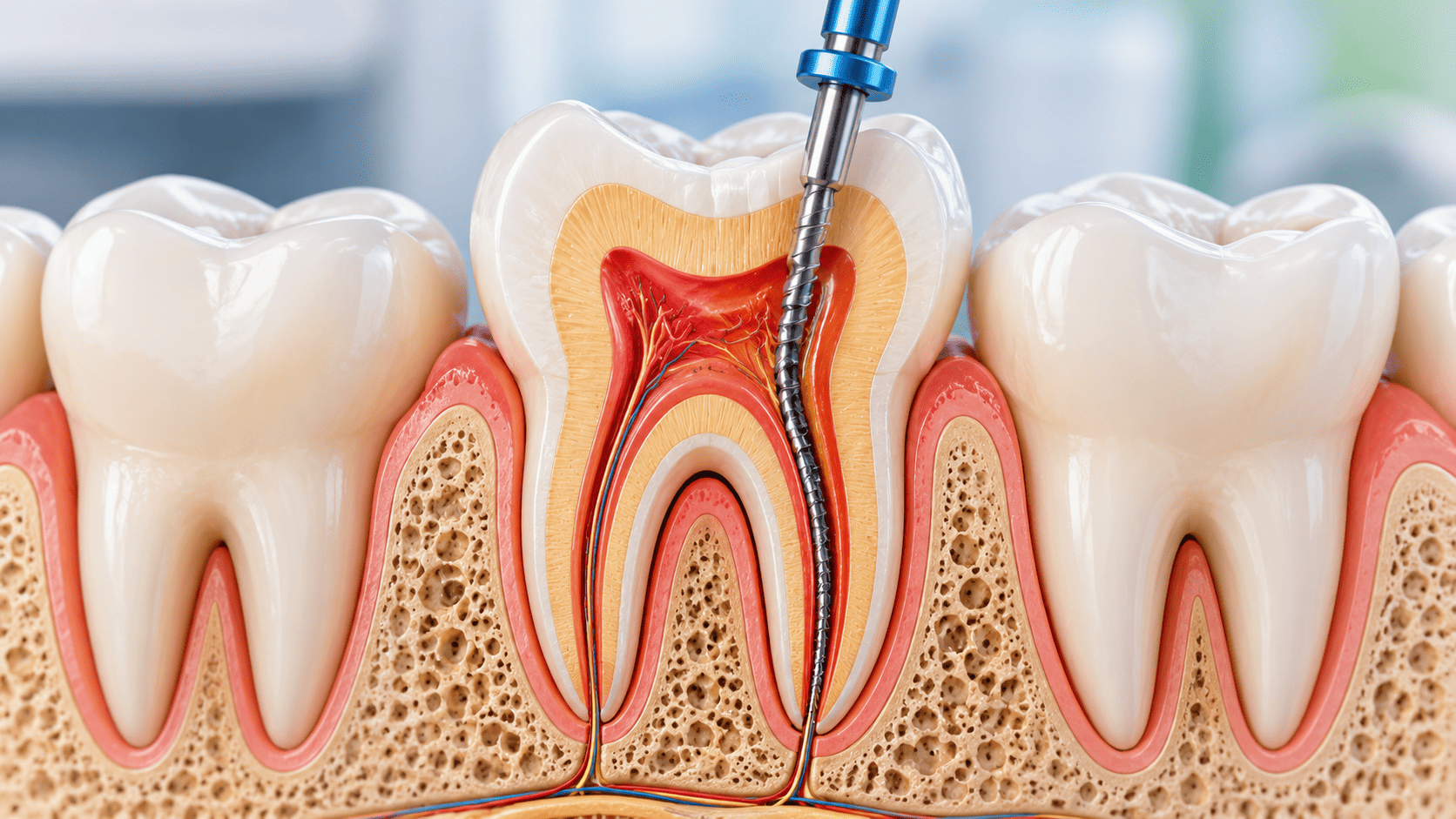
Here are the root canal treatment steps, so there are no surprises in the chair.
| Step | What happens |
|---|---|
| 1. Check and diagnose | Your dentist examines the tooth, asks about your symptoms and may take an X-ray to look at the roots and the bone around them. |
| 2. Numb and clean | Local anaesthetic numbs the area. The dentist makes a small opening in the tooth, removes the damaged pulp and cleans out the canals. |
| 3. Seal and restore | The cleaned canals are filled and sealed. Depending on the tooth, you’ll get either a temporary filling or a permanent restoration such as a crown. |
Some root canals are finished in one visit. Others need two or more, depending on the tooth and how bad the infection is.
How Is Pain Managed During A Root Canal?
Root canal therapy is done under local anaesthetic, which takes the sting out of the procedure. A badly inflamed or infected tooth can be harder to numb, so tell your dentist about your symptoms, your medical history and any medicines you take. If you need a top-up, you can ask for one.
| Stage | What you might feel |
|---|---|
| Before treatment | Toothache, sensitivity or swelling from the underlying problem |
| During treatment | Pressure or vibration, with the area numb |
| After treatment | Some tenderness while the surrounding tissue settles |
If the thought of dental work makes you anxious, tell us when you book. We can talk through your options before you sit down.
What’s Normal During Root Canal Recovery?
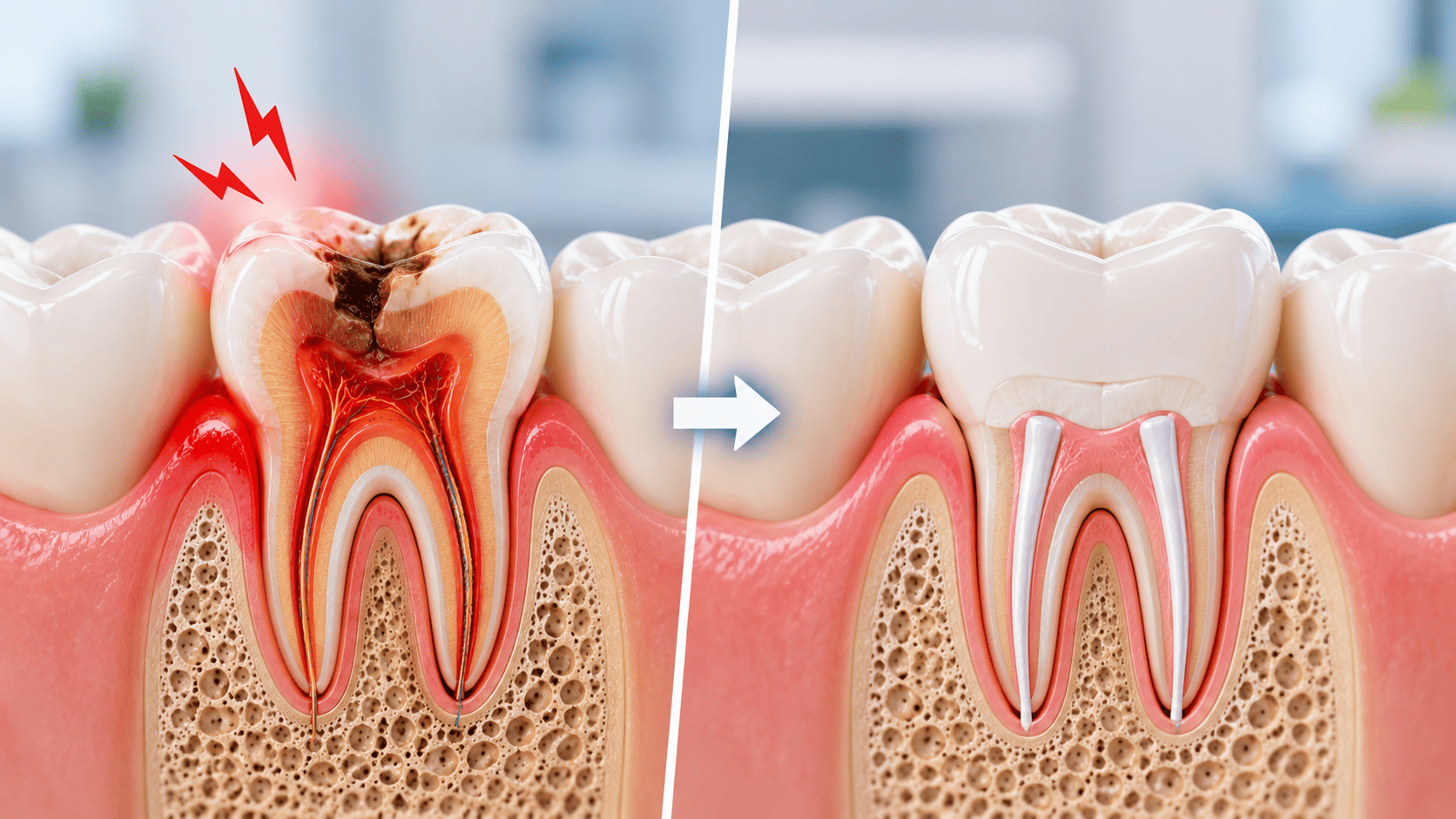
A few days of mild tenderness is common, especially if the tooth was infected or sore beforehand. Take any medication your dentist recommends as directed, and go easy on hard foods on that side until the tooth has been properly restored.
Call us if the pain gets worse, swelling appears or your bite feels off. Those need another look.
If you have severe toothache or swelling and can’t wait, call an emergency dentist. Swelling that spreads quickly, swelling near the eye, or trouble swallowing or breathing needs urgent medical attention, so go to hospital.
A root canal also isn’t the answer for every damaged tooth. Depending on what we find, we might talk about wisdom teeth removal when a wisdom tooth is the cause, or a tooth extraction if the tooth can’t be saved.
Conclusion
A root canal does not have to be an experience you avoid because of fear of pain. Local anaesthesia helps dentists manage discomfort during treatment, while the procedure can preserve a tooth that might otherwise need removal.
If you are considering root canal in Tarneit care, Oral Square Dental Care can assess your symptoms, explain the recommended treatment and discuss the restoration your tooth may need. Book an appointment if toothache or sensitivity persists rather than waiting for symptoms to worsen.
FAQs
Is a Root Canal More Painful Than a Tooth Extraction?
Both root canal treatment and tooth extraction are performed under local anaesthesia to minimise pain during the procedure. The level of discomfort afterwards can vary depending on the condition of the tooth and the complexity of the treatment. Your dentist can recommend the most suitable option and explain what to expect during recovery.
How Long Does a Root Canal Appointment Take?
A root canal appointment typically takes between 30 and 90 minutes, depending on the tooth being treated and the extent of the infection. Some cases may require multiple visits to complete the treatment. Your dentist can provide a more accurate time estimate after examining your tooth.
Can I Go Back to Work After a Root Canal?
Yes, many people can return to work on the same day after a root canal. However, your mouth may remain numb for a few hours, and you may experience some tenderness or soreness around the treated tooth. Follow your dentist’s instructions regarding eating, medication and physical activity.
