Author: Am Ti

7 Questions People Are Too Embarrassed To Ask Their Dentist

Most people have dental questions they never ask. Not because they don’t want answers, but because the question feels too basic, too embarrassing, or too likely to get the answer they don’t want to hear.

Common concerns people hesitate to bring up include the following:

  • Bleeding gums that appear without obvious reason.
  • Bad breath that persists despite regular brushing.
  • Teeth grinding noticed by a partner but not discussed with a dentist.
  • Tooth discolouration that has been ignored for years.

Oral Square Dental Care is a trusted family dentist in Tarneit with a team that helps patients navigate these exact concerns without judgement. This blog addresses the questions patients are most reluctant to ask and gives straightforward answers to each one.

Dental concerns that people hesitate to discuss, including bleeding gums, bad breath, teeth grinding, and tooth sensitivity, can be early signs of underlying oral health issues. A family dentist in Tarneit, like Oral Square Dental Care, regularly assesses these concerns and recommends preventive care to help patients maintain long-term oral health.

Top Questions People Are Too Embarrassed To Ask Their Dentist

1. How Often Do You Really Need A Dental Check-Up?

Most people benefit from a dental check-up in Tarneit every six months, but there is no single schedule that suits everyone. Your ideal frequency depends on gum health, medical history, smoking habits, and previous dental treatment.

One thing most people don’t account for is that small problems quite often develop without any pain at all. Cavities, gum disease, and enamel wear can all progress significantly before symptoms appear. Regular check-ups catch these early, which tends to reduce both treatment complexity and cost considerably.

Get Honest Answers To The Dental Questions Most People Avoid

2. Why Do My Gums Bleed When I Brush And Is It A Sign Of Gum Disease?

Bleeding gums are not normal, even when it happens occasionally. In most cases, bleeding points to inflammation caused by plaque accumulation around the gumline.

A common assumption is that brushing should stop when gums bleed. That’s the opposite of what usually helps. Proper cleaning and a professional assessment are quite often what’s needed to address the underlying cause before more significant gum disease develops. Leaving it alone tends to make things worse rather than fixing it.
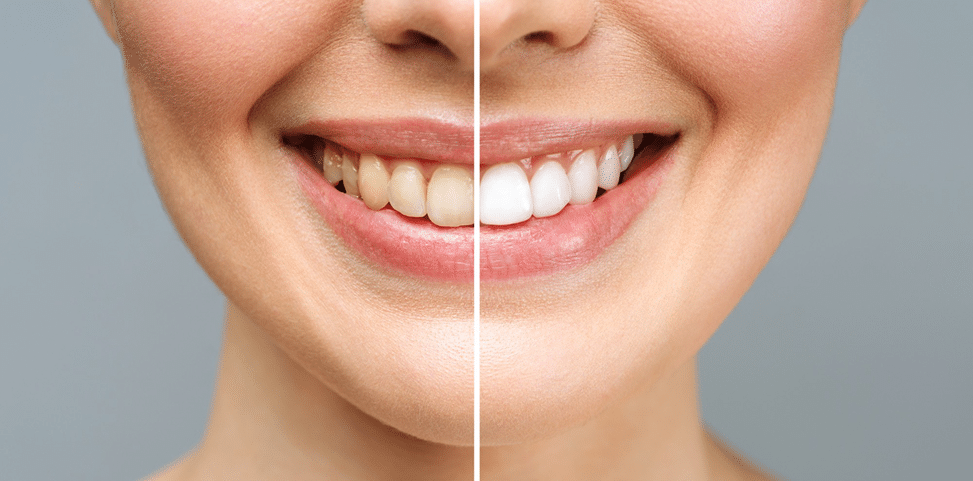
Before and after comparison of teeth whitening results showing improved tooth colour and a brighter smile in Tarneit

3. Is Teeth Whitening Actually Safe For Long-Term Oral Health?

Professional teeth whitening in Tarneit is generally considered safe when carried out under proper dental supervision. The concern most people carry is whether whitening permanently damages enamel. Current evidence shows that professionally administered treatments don’t affect enamel structure when used correctly.

What many patients don’t realise is that existing restorations like fillings and crowns don’t whiten at the same rate as natural teeth. This can affect colour consistency after treatment and is worth discussing during planning instead of noticing afterwards.

4. How Long Can Dental Fillings, Crowns, And Other Restorations Last? 

Restoration lifespan depends on material choice, oral hygiene habits, and biting forces. There is no fixed answer that applies to everyone.

  • Dental fillings in Tarneit can last many years when properly maintained.
  • A dental crown in Tarneit can provide long-term protection for a weakened tooth when cared for correctly.
  • Changes in the surrounding natural tooth structure can affect how long a restoration continues to perform effectively.

One thing most patients don’t expect is that restorations rarely fail suddenly. Small cracks, wear patterns, and marginal leakage develop gradually and are quite often identified during routine examinations before they cause a bigger problem.

5. What Causes Persistent Bad Breath Even When You Brush Regularly? 

Bad breath is not always a hygiene problem, and brushing more often won’t resolve it if the source is somewhere brushing doesn’t reach. Odour-producing bacteria collect on the tongue surface, between teeth, and below the gumline.

Dry mouth, certain medications, sinus conditions, and digestive issues can all play a role as well. Most people brush the visible surfaces of their teeth and stop there. Tongue cleaning and interdental cleaning get overlooked, and that’s quite often where the odour is actually coming from.

Mouthwash masks the symptom without addressing the cause. A dentist can identify the source during a routine assessment and point you towards the right approach rather than guessing.

6. Should You Be Concerned About Teeth Grinding During Sleep? 

Teeth grinding, known clinically as bruxism, can cause real damage even when the symptoms seem minor at first. Common signs include:

  • Jaw soreness on waking.
  • Headaches through the day.
  • Worn or flattened tooth surfaces.
  • Chipped or cracked teeth.

Many people grind their teeth during sleep without realising it at all. Dentists quite often detect grinding patterns before patients notice any symptoms themselves. Early intervention protects natural teeth and existing dental work from the kind of gradual damage that becomes expensive to address later.

Person eating a sugary pastry that can contribute to tooth decay and enamel damage in Tarneit

7. Which Everyday Foods Can Quietly Damage Healthy Teeth? 

It’s not one particular food causing the damage but how frequently teeth are exposed to acidic or sugary substances throughout the day. Enamel softens gradually with repeated acid exposure, making teeth more vulnerable to wear over time.

Dried fruits, sports drinks, flavoured sparkling waters, and constant snacking between meals are contributors most people don’t consider when thinking about dental health. The timing of brushing matters too.

Brushing immediately after acidic food or drink can work against you because enamel is temporarily softened and more easily worn away. Waiting at least thirty minutes and drinking water in the meantime reduces that risk considerably.

Make Informed Decisions About Your Long Term Oral Health

Make Informed Decisions About Your Long Term Oral Health

Conclusion

Most dental concerns that feel awkward to raise are things dentists deal with every day. Asking early prevents avoidable complications and keeps treatment simpler when issues do arise.

As a trusted family dentist in Tarneit, Oral Square Dental Care focuses on helping patients make informed decisions through practical guidance and preventive care. There are no questions our team considers too basic or too embarrassing. If you have concerns about your oral health, get in touch with us to book an appointment and get straightforward advice specific to your situation.

FAQs

Is it normal for teeth to be sensitive after a filling or cleaning?

Mild sensitivity after a filling or professional clean is common and quite often temporary. The tooth and surrounding tissue generally settle within a few days. Sensitivity that persists beyond a week or worsens rather than improves should be assessed by a dentist, so don’t sit on it assuming it will pass on its own.

Can stress affect your teeth and gums?

Yes, and in more ways than most people expect. Stress contributes to teeth grinding, jaw clenching, dry mouth, and changes in oral hygiene habits. Over time these factors increase the risk of tooth wear, gum inflammation, and other concerns that compound if they go unaddressed for too long.

What is the difference between a scale and clean and a deep clean?

A scale and clean removes plaque and tartar from above the gumline as part of routine preventive care. A deep clean targets bacteria and deposits below the gumline and is recommended when signs of gum disease are present. They serve different purposes; however, people quite often assume a scale and clean covers everything when it doesn’t in more advanced cases.

How do dentists decide whether you need a filling or a root canal?

The decision depends on how far decay or damage has reached into the tooth. If the nerve is still healthy, a filling may be all that is needed. If infection or significant nerve damage is present, a root canal in Tarneit is required to preserve the tooth rather than lose it. A proper examination and X-ray are what determine which applies to your specific situation.

Signs You Need a Root Canal!

A root canal is a procedure that removes infected or damaged pulp inside a tooth. It relieves pain, saves your natural tooth, and prevents the infection from spreading.

 Common Signs You May Need a Root Canal

  1. Persistent Tooth Pain
  • Constant or throbbing pain
  • Pain that spreads to your jaw, ear, or face
  • Pain that worsens when chewing
  1. Sensitivity to Hot or Cold
  • Lingering pain after drinking coffee or eating ice cream
  • Sensitivity that lasts more than 30 seconds
  1. Swollen or Tender Gums
  • Swelling around one tooth
  • A small pimple-like bump on the gum (abscess)
  1. Darkening of the Tooth
  • Tooth turns gray or darker than others
  • May indicate nerve damage
  1. Cracked or Chipped Tooth
  • Bacteria can enter through cracks
  • Trauma can damage the inner pulp
  1. Severe Pain When Chewing or Touching the Tooth

 When Is It an Emergency?

Seek immediate dental care if you experience:

  • Facial swelling
  • Severe, unbearable pain
  • Fever with tooth pain
  • Difficulty swallowing

 What Happens During a Root Canal?

  1. The dentist numbs the area
  2. The infected pulp is removed
  3. The inside of the tooth is cleaned
  4. The tooth is sealed
  5. A crown is usually placed for protection

Modern root canals are no more painful than getting a filling.

 Frequently Asked Questions

Is a root canal painful?

No. With modern anesthesia, the procedure is comfortable.

How long does it take?

Usually 60–90 minutes.

Can I avoid a root canal?

If the pulp is infected, a root canal is often the only way to save the tooth. Otherwise, extraction may be needed.

 Don’t Ignore the Signs

Delaying treatment can lead to:

  • Severe infection
  • Tooth loss
  • Spread of bacteria
  • More expensive treatment later.


For further Information Please Contact Oral Square Dental Care – 03 83682117


How Often Should You Really Visit the Dentist?

When was your last dental visit? If you can’t remember, you’re not alone—but you might be overdue. Many people think visiting the dentist once a year is enough, while others only go when they’re in pain. So, what’s the truth? How often should you really visit the dentist?

Let’s break it down.


The General Rule: Every Six Months

Most dental professionals recommend seeing the dentist every six months. This guideline is based on:

  • Plaque and tartar buildup: Even with excellent brushing and flossing, plaque can harden into tartar that only a dentist can remove.

  • Cavity and gum disease prevention: Regular exams catch small issues before they become painful and expensive problems.

  • Oral cancer screening: Dentists are trained to detect early signs of oral cancer, which is most treatable in its early stages.


But Does Everyone Need to Go Twice a Year?

Not necessarily. The “every six months” rule is a good average, but your personal needs might vary depending on your oral health, medical history, and lifestyle.

You Might Need More Frequent Visits If You:

  • Have gum disease or a history of it

  • Are prone to cavities or have many dental restorations

  • Smoke or use tobacco products

  • Have a weak immune system

  • Are pregnant (yes—pregnancy can affect your gum health!)

  • Have diabetes, which can impact oral health

In these cases, your dentist may recommend cleanings every 3 to 4 months to stay ahead of problems.


If Your Mouth Is Healthy, Can You Go Less Often?

Some people with exceptional oral health might only need to visit the dentist once a year. Your dentist will determine this based on:

  • The absence of cavities or gum disease

  • Excellent oral hygiene habits

  • Low risk factors (no smoking, good diet, no chronic conditions)

Still, even the healthiest patients benefit from professional cleanings and exams at least once a year.


What Happens If You Skip Appointments?

Delaying or skipping dental visits can lead to:

  • Undiagnosed cavities that worsen

  • Gum disease progression (which can lead to tooth loss)

  • Costly treatments down the road

  • Missed signs of oral cancer or other health concerns

Preventive care is not just good for your smile—it’s also better for your wallet and your overall health.


The Bottom Line

While twice a year is a good rule of thumb, the right dental visit frequency depends on you. The best approach? See your dentist, get a personalized care plan, and stick to it.

🪥 Pro Tip: Don’t wait for a toothache to call your dentist. Prevention is always better than treatment.


Need a checkup? Schedule your next visit today and keep your smile strong and healthy for life.

CALL:  03  83682117

What to Expect During Surgical Tooth Extractions: A Comprehensive Guide

At Oral Square Dental Care, we understand that surgical tooth extraction can be daunting. As your local experts in dental care, we are committed to providing a safe, comfortable, and caring environment for all your dental needs. This comprehensive guide aims to walk you through the process of tooth extraction, from understanding why it may be necessary to knowing what care after tooth extraction entails, ensuring you feel informed, prepared, and supported throughout your journey.

Understanding Tooth Extraction

Tooth extraction refers to the removal of a tooth from its socket in the bone. While our goal is always to save the natural tooth, certain conditions may require a surgical tooth extraction. This can include impacted wisdom teeth, severely damaged or infected teeth, or preparing for orthodontic treatment such as teeth extraction for braces.

Reasons for Surgical Tooth Extraction

There may be several different reasons for surgical tooth extractions, depending on the individual’s circumstances, however, these are the ones we see most often.

  • Wisdom Tooth Extraction: Wisdom teeth removal is often necessary when these third molars are impacted or unable to properly emerge, causing pain, crowding, or potential damage to adjacent teeth.
  • Infected Tooth Extraction: Sometimes, a tooth may be too severely damaged by decay or trauma to be saved and must be removed to prevent the spread of infection.
  • Dental Extraction for Orthodontic Reasons: Occasionally, teeth may be extracted to create space for remaining teeth to move into their correct positions during orthodontic treatment.

The Surgical Tooth Extraction Procedure

Our experienced dentist tooth extraction team at Oral Square Dental Care uses state-of-the-art techniques and equipment to ensure your comfort and safety. Here is what you can expect:

  1. Consultation and Planning: We begin with a thorough examination, including X-rays, to determine the best approach for your surgical dental extraction. This step is crucial for identifying any underlying conditions that might affect the procedure.
  2. Anaesthesia: To minimise tooth extraction pain, local anaesthesia is administered around the extraction site. In certain cases, sedation options may also be available to ensure you are as comfortable and relaxed as possible.
  3. The Extraction: During a surgical tooth extraction, the dentist makes an incision in the gum tissue to access the tooth. It may be necessary to remove bone around the tooth or to cut the tooth into pieces to extract it safely.
  4. Closure: Once the tooth has been successfully removed, the area is cleaned, and if necessary, the gum is sutured.

Care After Tooth Extraction

Proper after tooth-extraction care is essential for healing and preventing complications, such as infection or dry socket. We provide detailed aftercare instructions, which typically include:

  • Rest and avoid strenuous activities for the first 24 hours
  • Apply a cold compress to the cheek to reduce swelling
  • Take prescribed pain relief and antibiotics as directed
  • Avoid rinsing, spitting, or sucking actions for the first 24 hours
  • Eat soft foods and gradually reintroduce solids as you heal
  • Gently brush and floss your teeth, avoiding the extraction site

Managing Tooth Extraction Pain

Discomfort and tooth extraction pain are normal in the first few days following the procedure. Pain management includes prescribed or over-the-counter pain relievers, cold compress application, and following all care after tooth extraction advice given by your dentist.

Compassionate, Expert Care with Oral Square Dental Care

At Oral Square Dental Care, we prioritise your comfort, wellbeing, and education. Our modern facilities and expert team are equipped to handle all aspects of tooth removal, ensuring you receive the highest quality care. Our community-oriented approach means we’re always here to support you before, during, and after your procedure.

Whether you need a wisdom tooth extraction, are considering teeth extraction for braces, or require an infected tooth extraction, Oral Square Dental Care is here to guide you through each step. Contact us today to schedule your consultation. Together, we’ll work towards achieving your healthiest, happiest smile.

Braces Versus Aligners – Which is Best for a Straighter Smile?

At Oral Square Dental Care, situated in the heart of Tarneit, we understand that deciding between traditional metal braces and clear aligners for teeth straightening is significant. As trusted local experts, our goal is to support you in making an informed and confident choice regarding these teeth straightening options. Both types of braces, metal and aligners are excellent paths to achieving a brighter, straighter smile, each with unique advantages.

So, of the two teeth straightening options, which works best for you: braces versus aligners?

Metal Braces: Benefits and Considerations

Braces have been a cornerstone in orthodontics for decades and are exceptionally effective for correcting complex tooth and jaw issues. They are versatile and treat a wide range of orthodontic concerns, including severe teeth misalignment and bite issues.

Consider these advantages when it comes to traditional metal braces for kids and adults:

  1. Effectiveness: Metal braces are well-suited to treat a wide range of orthodontic concerns, not limited to severe teeth misalignment but also complex bite issues such as overbites, underbites, and crossbites
  2. Durability: Made of high-grade stainless steel, traditional braces are strong and rarely break or require repair
  3. Cost: They are often more cost-effective than other orthodontic options and are widely covered by dental insurance plans
  4. Customisable: With the option to choose coloured bands, younger patients enjoy the opportunity to personalise their braces to fit their style and personality
  5. Progress Monitoring: The progress with metal braces can be easily monitored by the orthodontist during regular appointments to ensure the treatment is on track
  6. Continuous Improvement: Advances in the design and materials have made today’s metal braces more comfortable and less obtrusive than those of the past
  7. Predictability: Traditional braces have a long track record of successful outcomes, providing predictable results in orthodontic correction

Clear Aligners: Benefits and Considerations

Clear aligners are a more recent innovation in dental care. These are custom-made, nearly invisible trays that fit snugly over your teeth. Aligners are particularly popular among adults and teens who seek a less noticeable teeth straightening method.

Aligners are celebrated for their discretion and comfort. Clear aligners and Clear Correct aligners are completely removable, making it easier to maintain dental hygiene and enjoy a less restricted diet during treatment.

Consider the following benefits of clear aligners:

  1. Aesthetics: Clear aligners are virtually invisible, making them a discreet option for both adults and teenagers who are self-conscious about wearing braces
  2. Comfort: They are typically more comfortable than metal braces as they lack sharp edges or protruding elements that can irritate the gums and cheeks
  3. Convenience: Clear aligners can be removed for eating, drinking, brushing, and flossing, which promotes better oral hygiene during treatment
  4. Customised: Treatment with clear aligners involves using a series of precisely engineered trays tailored to fit your teeth at each stage of the alignment process
  5. Fewer Office Visits: Usually, clear aligners require fewer visits to the orthodontist since adjustments are not as frequent as braces. This can save time and reduce frequent appointments
  6. Diet Freedom: Since clear aligners are removed before eating, there are no restrictions on what foods can be eaten, unlike metal braces which often require avoiding certain hard and sticky foods
  7. Predictability: Advanced planning with 3D imaging technology can allow for more predictable results as the entire treatment plan is mapped out digitally from the start

Although aligners are aesthetically pleasing and convenient, they require a disciplined approach. You must wear them for the prescribed 20-22 hours a day to achieve effective results. They are best for mild to moderate teeth misalignment, and their effectiveness can be limited in more severe cases.

Which Is Right for You?

Choosing between braces and aligners involves considering several factors such as the severity of dental correction needed, lifestyle, age, and personal preferences. At Oral Square Dental Care, we offer a comprehensive consultation to discuss your unique dental profile, lifestyle requirements, and aesthetic concerns. Our team is committed to providing tailored advice, helping you to decide the best option for you or your child.

Embrace Straighter Teeth With Oral Square Dental Care

Whether it’s braces for kids or adult braces, the journey to a straighter smile should be as comfortable and informed as possible. We pride ourselves on using the latest advancements in dental technology and treatment methods, ensuring that every visit to our office is safe, effective, and reassuring. Our friendly team is committed to guiding you every step of the way towards achieving the smile you’ve always dreamed of.