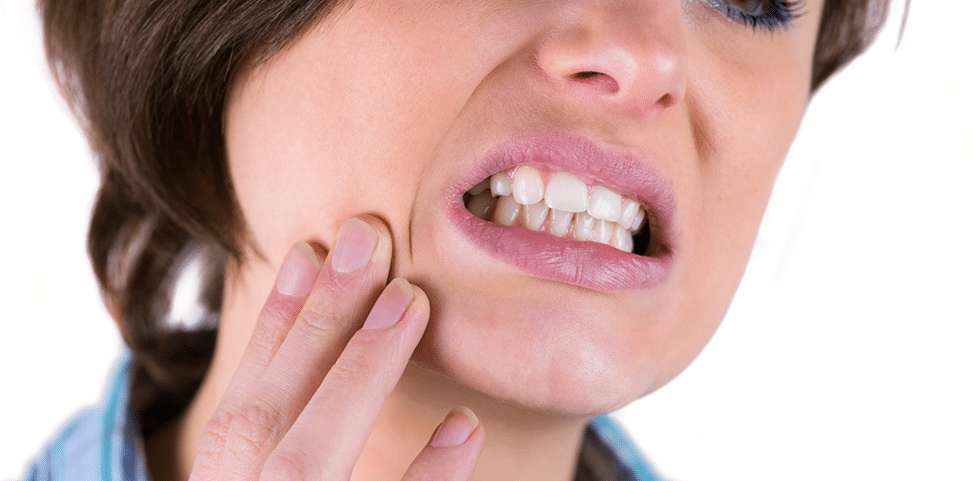
How Do You Know It’s Time To Replace An Old Dental Filling?

Dental fillings are built to restore damaged teeth, but they’re not built to last forever. Everyday chewing, temperature changes, and natural wear gradually take their toll on even a well-placed filling. Waiting until pain develops often means the problem has already moved further along than it needed to.

You might notice:

  • Food getting trapped around an old filling
  • Increased sensitivity to hot, cold, or sweet foods
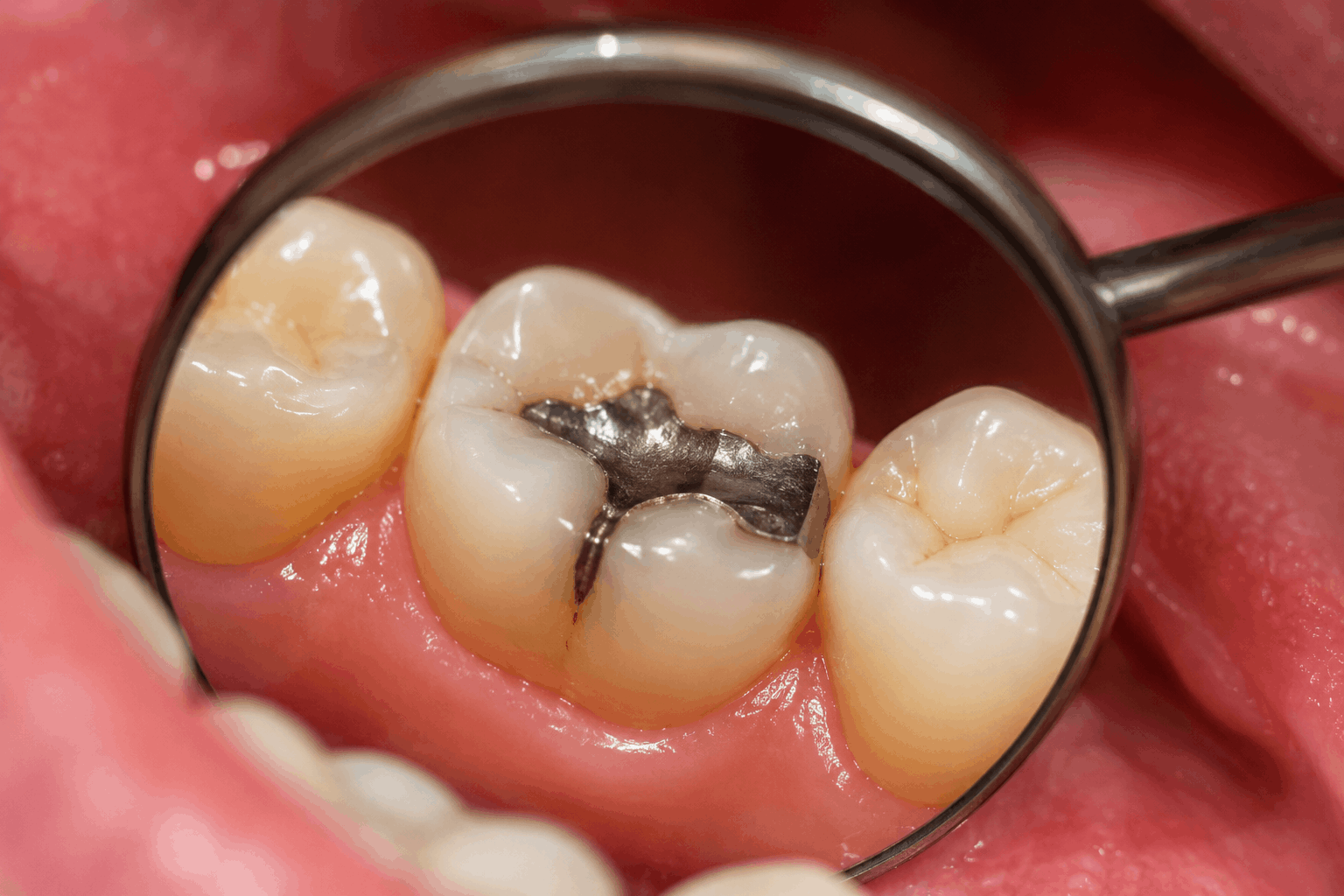
  • Rough or chipped edges on the filling
  • Discomfort when biting or chewing

Oral Dental Square Clinic, a trusted dentist in Tarneit, regularly assesses existing fillings before they develop into larger dental problems. In this guide, you’ll learn how long fillings usually last, the warning signs they need replacing, and why early treatment quite often protects more of your natural tooth.

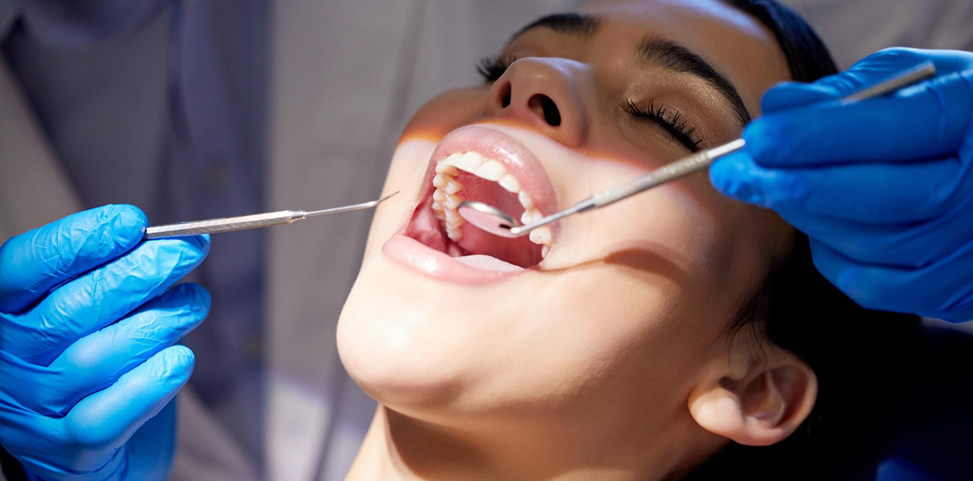
Old dental fillings can wear out, crack, loosen, or develop gaps that let bacteria into the tooth. Visiting a dentist in Tarneit for regular examinations helps identify these problems early, cutting down the likelihood of decay, infection, or more complex treatment further down the track.

How Long Should A Dental Filling Last?

Most dental fillings hold up well for many years, though their lifespan shifts depending on the filling material, the size of the restoration, your bite, and daily oral habits.

Composite resin fillings commonly last between seven and ten years, while some materials hold up longer with proper care. Age alone, though, isn’t a reliable measure of whether a filling is still doing its job. Regular examinations give a far more accurate picture than assuming everything is fine simply because it feels normal.

Fillings quite often fail around their edges rather than through the centre, and that’s something worth knowing. Small gaps can form between the filling and the tooth without causing any immediate pain. These openings let bacteria in, raising the risk of hidden decay beneath an otherwise intact-looking restoration.

Booking a dental check up in Tarneit regularly helps catch these early changes before they become visible or painful.

Person experiencing tooth sensitivity while drinking a cold beverage in Tarneit

What Signs Suggest Your Dental Filling Needs Replacing?

A filling rarely fails without giving some warning first. In plenty of cases, your mouth sends subtle signals well before a major problem takes hold.

Common warning signs include:

Sign

What It May Mean

Tooth sensitivity

The filling may no longer seal the tooth effectively

Pain when biting

A crack or movement in the filling could be present

Rough or chipped edges

The filling may have fractured through normal wear

Food repeatedly getting trapped

Small gaps may have formed around the restoration

Dark staining around the filling

Early leakage or decay may be developing beneath the filling

These symptoms don’t always mean replacement is necessary, but they should never get brushed aside. An early assessment usually means smaller, simpler treatment compared with waiting until the tooth turns painful.

If decay has already reached the inner portion of the tooth, replacing the filling alone may no longer be enough.

Why Can Waiting Too Long Lead To Bigger Dental Problems?

Delaying treatment allows bacteria to continue to enter weakened areas around the filling. The deeper the decay penetrates into the tooth, the more complicated the treatment will usually be.

Possible implications are:

  • Teeth broken.
  • Inflammation of nerves.
  • Infection in the tooth.
  • Bigger replacement fillings.

The requirement of a root canal in case the dental pulp is affected

Every time a larger filling is placed, a little more unhealthy tooth structure is removed. Eventually, there may not be enough natural tooth left to support another filling at all.

In these situations, a dental crown quite often provides better long-term protection than placing yet another large filling. Replacing worn fillings before they reach this stage helps preserve as many healthy teeth as possible.

When Can A Filling Be Repaired Instead Of Replaced?

Not every damaged filling calls for complete replacement. If only a small portion has chipped or worn while the rest of the restoration stays stable and the surrounding tooth remains healthy, your dentist may be able to repair it instead.

The decision depends on several factors:

  • The amount of remaining healthy filling
  • Whether new decay is present
  • The strength of the surrounding tooth
  • How much pressure the tooth handles during chewing

A repair tends to be more conservative because it preserves more of your natural tooth. That said, if the filling has loosened, cracked significantly, or developed decay underneath, replacing the entire restoration usually delivers a more predictable long-term result.

If repeated repairs are no longer practical, discussing dental fillings in Tarneit with your dentist can help work out the most suitable treatment path.

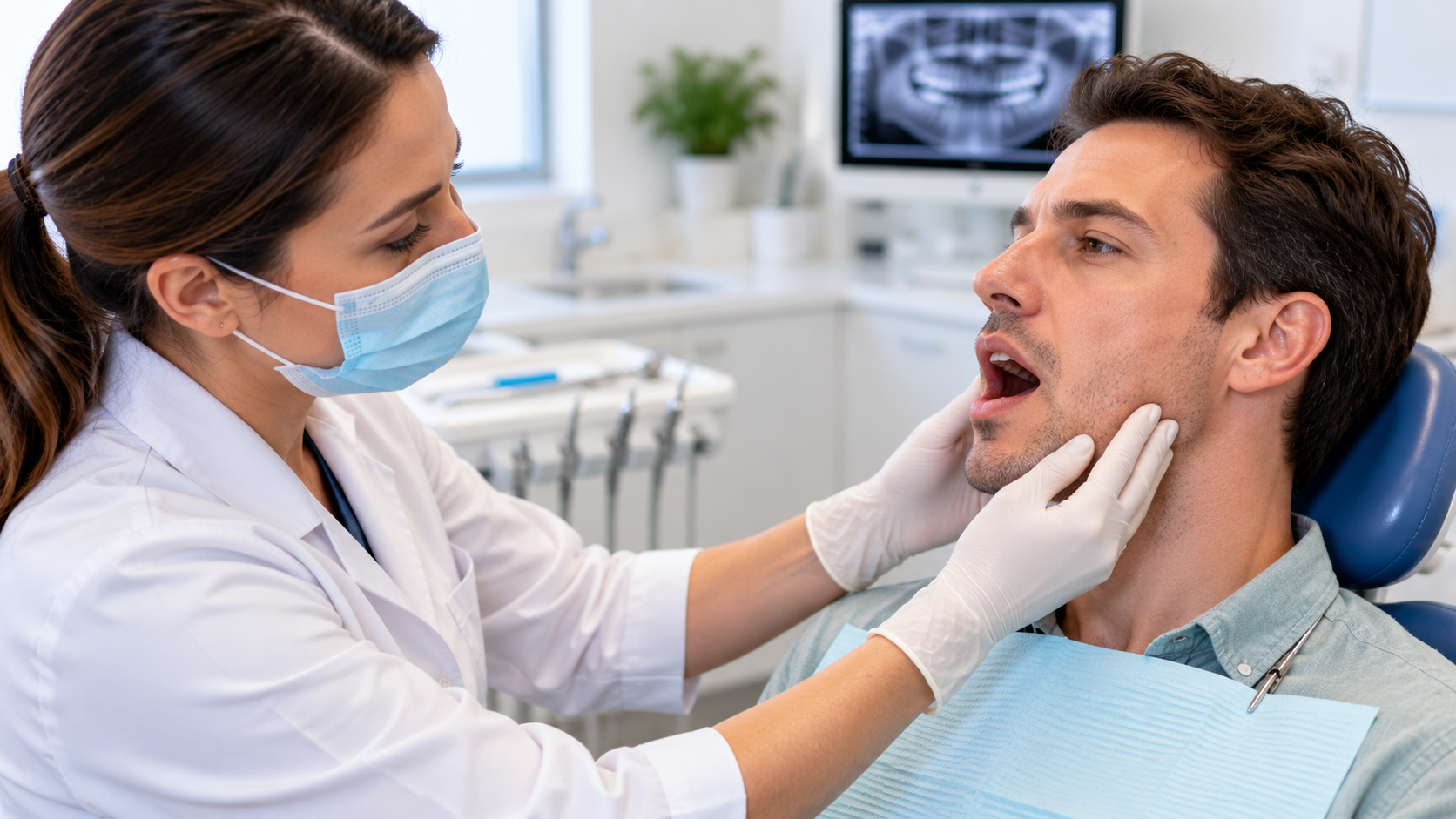
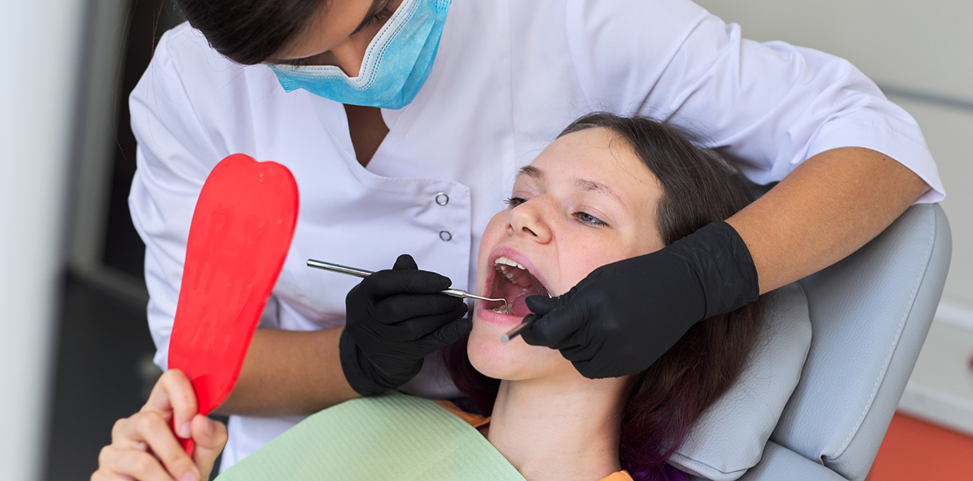
Dentist performing a dental filling check-up for a patient during a dental examination in Tarneit

How Can You Help Your Dental Fillings Last Longer?

All fillings have a shelf life, but day to day habits play a large part in how long it lasts.

A few habits that help make your fillings last longer:

  • Daily flossing between your teeth
  • Don’t chew ice or very hard objects
  • Going for regular dental check ups
  • Wearing a night guard If you grind your teeth.
  • Flossing and brushing twice daily with fluoride toothpaste.

One other thing that gets overlooked is that your bite can change over time. Our teeth shift as we age, and with tooth loss, orthodontic treatment or grinding habits. A well-placed filling will be subject to increased pressure and wear faster than expected if the bite changes.

Patients considering Invisalign in Tarneit should also have existing fillings assessed before treatment begins, since tooth movement can reveal restorations that already need replacing.

Regular visits to a family dentist in Tarneit allow these subtle changes to get picked up before they turn into larger restorative problems.

Conclusion

Old dental fillings usually don’t break without warning. Minor changes such as sensitivity, rough edges, food trapping or discomfort while chewing often are signs that the restoration deserves to be evaluated before further damage occurs. Early diagnosis usually preserves more of the natural tooth structure and prevents more complicated procedures later on.

Oral Dental Square Clinic is an experienced dentist in Tarneit dedicated to providing preventive care and long-term oral health, not just fixing problems after they’ve already developed. If you have an older filling or if you notice any changes, our team can assess its condition, walk you through your options and recommend the most appropriate treatment. Get in touch with us to book your examination.

FAQs

Can A Dental Filling Fall Out Without Causing Pain?

Yes. Even if the tooth feels fine, a filling can become loose or fall out. This typically occurs when the surrounding tooth structure deteriorates or the bond becomes weaker. Even without discomfort the tooth should be checked so that bacteria can’t get into the exposed spot.

Are Older Silver Fillings Always Replaced?

No. Amalgam fillings are not replaced just because they are old or shabby. If they are sound and well fitting, and there is no decay beneath, they may continue to do well. Generally replacement is only advised if there is evidence of damage or leakage.

Can A Filling Be Replaced More Than Once?

Yes, but each replacement may require removal of a little extra tooth structure. If the tooth is very fragile after a number of replacements, your dentist may recommend a crown to better support the tooth over the long term, instead of a filling.

Is It Safe To Delay Replacing A Worn Filling If It Doesn’t Hurt?

Not always. Many failing fillings cause little or no discomfort in the early stages. Delaying treatment can allow hidden decay to progress beneath the restoration, increasing the likelihood of more complex treatment being needed later on.

How Often Should You Really Get A Dental Check-Up?

Pain is usually what gets people through the dentist’s door. By the time it shows up, though, the underlying problem has often been building for months without any warning signs at all.

  • A cavity can grow for a long time before you ever feel it.
  • Gum disease tends to take hold long before pain becomes part of the picture.
  • Waiting too long to act can turn a simple fix into a complicated one.
  • Catching things early is almost always cheaper and less invasive than treating them late.

At Oral Square Dental Care, we see this pattern play out regularly. Patients come in for what turns out to be major treatment, and in hindsight, a routine dental checkup in Tarneit months earlier would have caught it while it was still simple. Having worked with local families for years, we hear the same question on repeat: how often should I actually be doing this? Keep reading as we break down what is usually recommended for the best oral health.

Six months is the benchmark most adults are given for a dental checkup in Tarneit, and for good reason. It gives dentists a window to spot cavities, gum disease, and other issues while they’re still minor. That said, your own schedule might look different depending on your oral health history, any underlying medical conditions, and how much risk you’re carrying day to day. Some people can safely stretch that interval. Others need to shorten it. Either way, staying on top of regular checkups is one of the simplest things that experts like Oral Square Dental Care suggest to keep small problems from becoming expensive ones.

Why Is Every Six Months The Most Common Recommendation?

There’s a reason this interval keeps coming up: it gives dentists enough lead time to catch issues before they turn into something bigger.

Plaque and tartar build up gradually, even for people who brush and floss properly. That buildup is part of why routine visits matter so much. An experienced dentist in Tarneit can spot the early markers, things like enamel erosion, worn fillings, or inflamed gums, well before any of it becomes noticeable to the patient.

There’s also a tracking benefit that’s easy to overlook. When a dentist sees you consistently, they can compare what they’re seeing now to what they saw last time, which makes treatment decisions sharper and more accurate. And practically speaking, fixing a small problem early almost always costs less, takes less time, and involves far less discomfort than dealing with something that’s been left to develop.

Keep Your Teeth Healthy With Personalised Dental Care

Can Some People Wait Longer Between Dental Visits?

For a smaller group of low-risk patients, yes, an annual check can be enough.

If your gums are healthy, your hygiene routine is solid, you haven’t had recurring cavities, and there’s nothing complicated in your medical history, six-month visits might not be strictly necessary for you. That’s not a call to make on your own, though. It needs to come from a dentist who can actually assess your situation properly.

A proper oral health assessment is really the only reliable way to figure out whether a longer gap is appropriate. Trying to judge this yourself is risky, since plenty of dental issues give no warning at all until they’ve progressed. Stretching the interval without a professional’s input means problems can sit undetected for far longer than they should.

When Should You Visit More Frequently Than Every Six Months? 

On the other end, some patients are better off coming in every three to four months.

This shorter interval tends to be recommended when someone has:

  • A history of gum disease or other periodontal issues.
  • Diabetes or another condition known to affect oral health.
  • A pattern of recurring tooth decay.
  • A smoking or tobacco habit.
  • Multiple existing restorations in their mouth.
  • A higher than average risk of plaque and tartar buildup.

Anyone undergoing treatment with an orthodontist in Tarneit often falls into this category too, since braces and aligners make hygiene harder to maintain and small issues easier to miss.

The logic here is straightforward: more frequent eyes on a higher-risk mouth means problems get caught while they’re still small.

What Happens During A Routine Dental Check-Up?

There’s more to a check-up than a quick look for cavities.

A typical appointment usually covers:

  • A check of your gum health and any signs of disease.
  • A look at your teeth for decay, cracking, or general wear.
  • A review of existing fillings, crowns, or other restorations.
  • An assessment of how your bite and jaw are functioning.
  • A screening for anything unusual or potentially concerning.
  • A conversation about your hygiene habits and how to improve them.

Most patients pair this with a professional teeth cleaning in Tarneit while they’re already in the chair. It makes sense, since cleaning clears out the hardened plaque and tartar that brushing at home simply can’t touch.

Together, this combination does a lot of the heavy lifting in keeping gums healthy and heading off future problems before they start.

How Can Regular Check-Ups Reduce Major Dental Treatment?

This is where the real value of routine visits shows up. A cavity caught early might need nothing more than a straightforward filling. Leave that same cavity untreated, though, and it can work its way deeper into the tooth until a root canal in Tarneit becomes the only way to save it.

The same logic applies to gum disease. Left unmanaged for long enough, it can progress to the point where a tooth extraction in Tarneit is the only remaining option.

There’s also a knock-on benefit for anyone already missing teeth. Getting ahead of it with an early conversation about dental implants in Tarneit can stop neighbouring teeth from drifting out of position, which saves complications later.

In nearly every case, staying ahead of a problem costs less, in money and in discomfort, than reacting to one after it’s already taken hold.

Why Trust Oral Square Dental Care? 

Our team has spent years building experience in preventive and restorative dental care for families across Tarneit and the surrounding suburbs.

What we prioritise:

  • Catching issues early rather than reacting late.
  • Treatment recommendations grounded in evidence, not guesswork.
  • Care plans built around the individual patient, not a generic template.
  • Education that helps patients understand their own oral health long term.

At the core, our focus is to help people keep their smiles healthy while avoiding complicated treatment wherever that’s genuinely possible.

The Benefits Of Preventive Dental Care

The payoff from preventive care compounds over time, and it applies to patients of any age.

A consistent checkup routine helps with the following:

  • Spotting problems before they ever become symptomatic.
  • Cutting down the need for major restorative work.
  • Keeping gums and teeth in better condition overall.
  • Building stronger day to day hygiene habits.
  • Saving money by catching things early rather than late.
  • Supporting broader health, not just what’s happening in your mouth.

For many people searching for a dentist hoppers crossing or another clinic nearby, preventive care is exactly what they’re after, since it sidesteps the emergency visits and the bills that come with them.

Take Control Of Your Oral Health Before Problems Start

Conclusion

There’s no single schedule that fits every patient perfectly, but for most Australians, booking a dental checkup in Tarneit every six months is still the most reliable way to stay ahead of problems before they grow.

Oral Square Dental Care offers personalised prevention care according to your specific oral health status, lifestyle and history, not a one-size-fits-all approach. Whether it’s your regular check-up, professional teeth cleaning, advice from a trusted dentist, or something more complex, our team is here to assist.

If your last visit was more than six months ago, now’s a good time to reach out and book your next dental checkup in Tarneit.

FAQs

Is It Necessary To Visit The Dentist If My Teeth Feel Fine?

Yes. Plenty of dental problems don’t announce themselves with pain or discomfort. Regular visits are what catch decay and gum disease while they’re still easy to treat, and that’s almost always cheaper and faster than waiting until something hurts.

Can Professional Teeth Cleaning Damage Enamel?

No, not when it’s done properly. A professional teeth cleaning clears away plaque and tartar buildup without touching healthy enamel underneath, and it leaves gums in noticeably better shape afterwards.

Are Dental Check-Ups Important For Children?

Yes. Kids’ teeth and jaws change fast, so regular monitoring matters more than people sometimes assume. It gives dentists a chance to catch developmental issues early and set kids up with hygiene habits that tend to stick into adulthood.

What If My Dentist Finds A Cavity During A Check-Up?

An early catch usually means a simple filling does the job. This is exactly why routine dental checkups matter: they’re what stand between a quick fix and something more involved, like a root canal.

How Often Should Patients With Gum Disease Visit The Dentist?

Generally every three to four months. That tighter interval gives dentists more chances to monitor how the gums are responding, provide cleaning where needed, and slow down or stop the disease from progressing further.

7 Questions People Are Too Embarrassed To Ask Their Dentist

Most people have dental questions they never ask. Not because they don’t want answers, but because the question feels too basic, too embarrassing, or too likely to get the answer they don’t want to hear.

Common concerns people hesitate to bring up include the following:

  • Bleeding gums that appear without obvious reason.
  • Bad breath that persists despite regular brushing.
  • Teeth grinding noticed by a partner but not discussed with a dentist.
  • Tooth discolouration that has been ignored for years.

Oral Square Dental Care is a trusted family dentist in Tarneit with a team that helps patients navigate these exact concerns without judgement. This blog addresses the questions patients are most reluctant to ask and gives straightforward answers to each one.

Dental concerns that people hesitate to discuss, including bleeding gums, bad breath, teeth grinding, and tooth sensitivity, can be early signs of underlying oral health issues. A family dentist in Tarneit, like Oral Square Dental Care, regularly assesses these concerns and recommends preventive care to help patients maintain long-term oral health.

Top Questions People Are Too Embarrassed To Ask Their Dentist

1. How Often Do You Really Need A Dental Check-Up?

Most people benefit from a dental check-up in Tarneit every six months, but there is no single schedule that suits everyone. Your ideal frequency depends on gum health, medical history, smoking habits, and previous dental treatment.

One thing most people don’t account for is that small problems quite often develop without any pain at all. Cavities, gum disease, and enamel wear can all progress significantly before symptoms appear. Regular check-ups catch these early, which tends to reduce both treatment complexity and cost considerably.

Get Honest Answers To The Dental Questions Most People Avoid

2. Why Do My Gums Bleed When I Brush And Is It A Sign Of Gum Disease?

Bleeding gums are not normal, even when it happens occasionally. In most cases, bleeding points to inflammation caused by plaque accumulation around the gumline.

A common assumption is that brushing should stop when gums bleed. That’s the opposite of what usually helps. Proper cleaning and a professional assessment are quite often what’s needed to address the underlying cause before more significant gum disease develops. Leaving it alone tends to make things worse rather than fixing it.

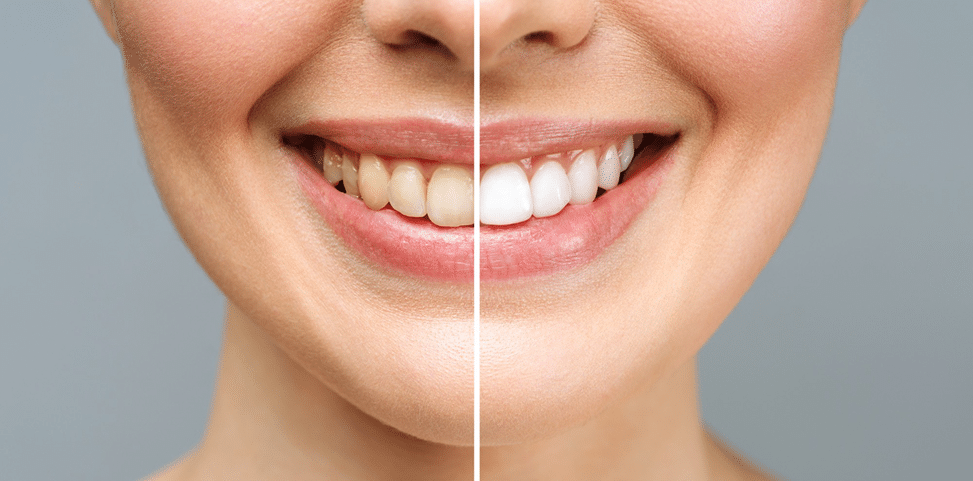
Before and after comparison of teeth whitening results showing improved tooth colour and a brighter smile in Tarneit

3. Is Teeth Whitening Actually Safe For Long-Term Oral Health?

Professional teeth whitening in Tarneit is generally considered safe when carried out under proper dental supervision. The concern most people carry is whether whitening permanently damages enamel. Current evidence shows that professionally administered treatments don’t affect enamel structure when used correctly.

What many patients don’t realise is that existing restorations like fillings and crowns don’t whiten at the same rate as natural teeth. This can affect colour consistency after treatment and is worth discussing during planning instead of noticing afterwards.

4. How Long Can Dental Fillings, Crowns, And Other Restorations Last? 

Restoration lifespan depends on material choice, oral hygiene habits, and biting forces. There is no fixed answer that applies to everyone.

  • Dental fillings in Tarneit can last many years when properly maintained.
  • A dental crown in Tarneit can provide long-term protection for a weakened tooth when cared for correctly.
  • Changes in the surrounding natural tooth structure can affect how long a restoration continues to perform effectively.

One thing most patients don’t expect is that restorations rarely fail suddenly. Small cracks, wear patterns, and marginal leakage develop gradually and are quite often identified during routine examinations before they cause a bigger problem.

5. What Causes Persistent Bad Breath Even When You Brush Regularly? 

Bad breath is not always a hygiene problem, and brushing more often won’t resolve it if the source is somewhere brushing doesn’t reach. Odour-producing bacteria collect on the tongue surface, between teeth, and below the gumline.

Dry mouth, certain medications, sinus conditions, and digestive issues can all play a role as well. Most people brush the visible surfaces of their teeth and stop there. Tongue cleaning and interdental cleaning get overlooked, and that’s quite often where the odour is actually coming from.

Mouthwash masks the symptom without addressing the cause. A dentist can identify the source during a routine assessment and point you towards the right approach rather than guessing.

6. Should You Be Concerned About Teeth Grinding During Sleep? 

Teeth grinding, known clinically as bruxism, can cause real damage even when the symptoms seem minor at first. Common signs include:

  • Jaw soreness on waking.
  • Headaches through the day.
  • Worn or flattened tooth surfaces.
  • Chipped or cracked teeth.

Many people grind their teeth during sleep without realising it at all. Dentists quite often detect grinding patterns before patients notice any symptoms themselves. Early intervention protects natural teeth and existing dental work from the kind of gradual damage that becomes expensive to address later.

Person eating a sugary pastry that can contribute to tooth decay and enamel damage in Tarneit

7. Which Everyday Foods Can Quietly Damage Healthy Teeth? 

It’s not one particular food causing the damage but how frequently teeth are exposed to acidic or sugary substances throughout the day. Enamel softens gradually with repeated acid exposure, making teeth more vulnerable to wear over time.

Dried fruits, sports drinks, flavoured sparkling waters, and constant snacking between meals are contributors most people don’t consider when thinking about dental health. The timing of brushing matters too.

Brushing immediately after acidic food or drink can work against you because enamel is temporarily softened and more easily worn away. Waiting at least thirty minutes and drinking water in the meantime reduces that risk considerably.

Make Informed Decisions About Your Long Term Oral Health

Make Informed Decisions About Your Long Term Oral Health

Conclusion

Most dental concerns that feel awkward to raise are things dentists deal with every day. Asking early prevents avoidable complications and keeps treatment simpler when issues do arise.

As a trusted family dentist in Tarneit, Oral Square Dental Care focuses on helping patients make informed decisions through practical guidance and preventive care. There are no questions our team considers too basic or too embarrassing. If you have concerns about your oral health, get in touch with us to book an appointment and get straightforward advice specific to your situation.

FAQs

Is it normal for teeth to be sensitive after a filling or cleaning?

Mild sensitivity after a filling or professional clean is common and quite often temporary. The tooth and surrounding tissue generally settle within a few days. Sensitivity that persists beyond a week or worsens rather than improves should be assessed by a dentist, so don’t sit on it assuming it will pass on its own.

Can stress affect your teeth and gums?

Yes, and in more ways than most people expect. Stress contributes to teeth grinding, jaw clenching, dry mouth, and changes in oral hygiene habits. Over time these factors increase the risk of tooth wear, gum inflammation, and other concerns that compound if they go unaddressed for too long.

What is the difference between a scale and clean and a deep clean?

A scale and clean removes plaque and tartar from above the gumline as part of routine preventive care. A deep clean targets bacteria and deposits below the gumline and is recommended when signs of gum disease are present. They serve different purposes; however, people quite often assume a scale and clean covers everything when it doesn’t in more advanced cases.

How do dentists decide whether you need a filling or a root canal?

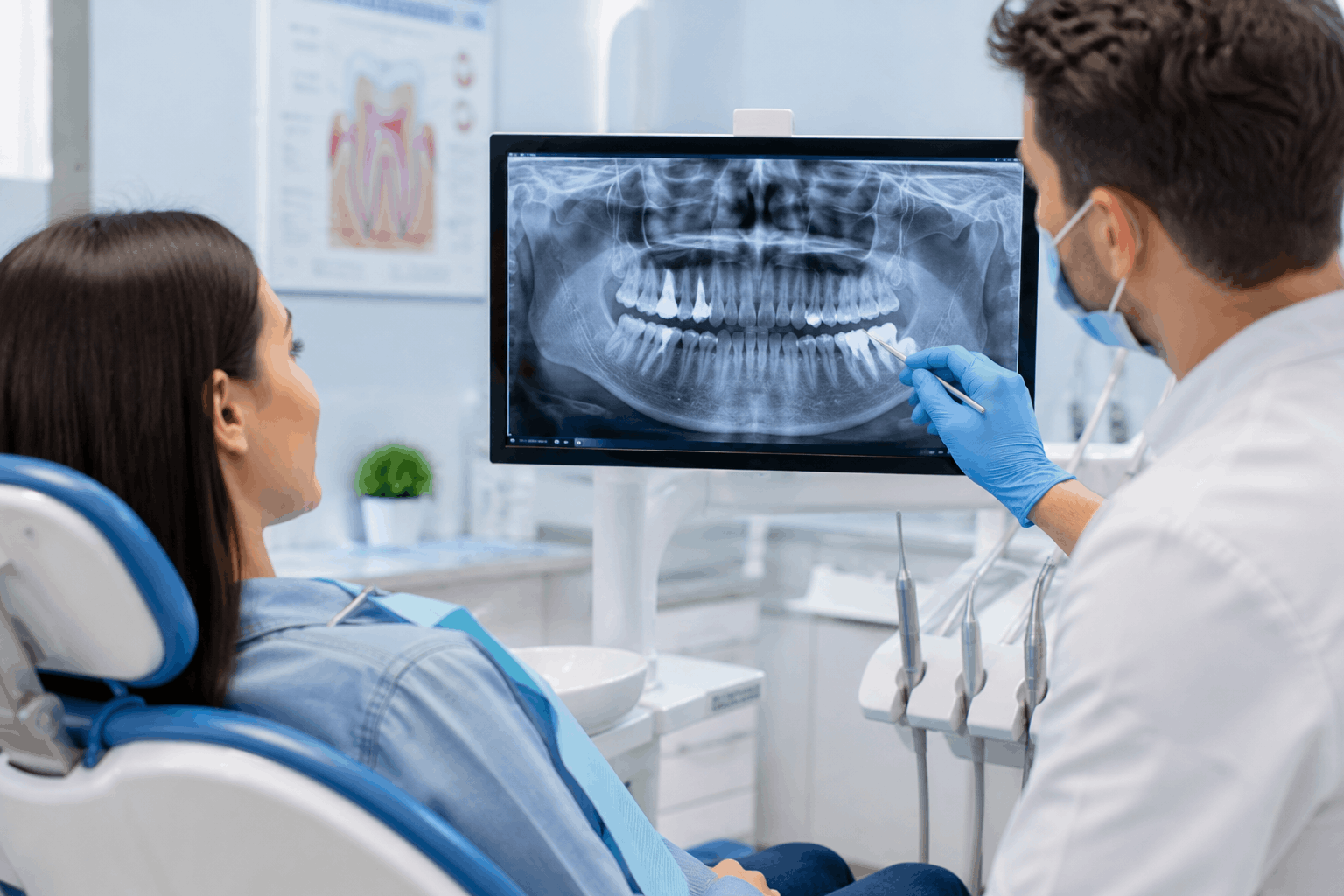
The decision depends on how far decay or damage has reached into the tooth. If the nerve is still healthy, a filling may be all that is needed. If infection or significant nerve damage is present, a root canal in Tarneit is required to preserve the tooth rather than lose it. A proper examination and X-ray are what determine which applies to your specific situation.

What To Do In A Dental Emergency: A Step-By-Step Guide For Tarneit Families

Dental emergencies happen without warning and without good timing. One moment everything is fine. Next, someone is dealing with a knocked-out tooth, sudden swelling, or uncontrolled pain that makes it impossible to think clearly.

Many families deal with various dental problems that catch them completely off guard, such as the following:

  • Sudden tooth pain disrupts daily activities and sleep.
  • Dental trauma during sports, accidents, or a fall.
  • Swelling or infection that worsens faster than expected.

Oral Square Dental Care has been a trusted emergency dentist in Tarneit. We focus on fast assessment, practical emergency care, and long-term treatment planning tailored to each patient. This blog covers exactly what to do when a dental emergency hits.

Dental emergencies cover a wide range of situations. Severe tooth pain, swelling, knocked out teeth, broken teeth, and infections all qualify when they need professional care urgently. Acting fast after dental pain increases the chances of saving a damaged tooth and reduces the risk of any further complication. Considering an emergency dentist in Tarneit can help you address severe concerns early.

What Counts As a Dental Emergency and What Can Wait?

Not every dental problem needs immediate emergency care. Knowing the difference saves both time and stress when something goes wrong.

Dental emergencies commonly include the following:

  • Severe swelling around the face or jaw.
  • Uncontrolled bleeding that doesn’t settle.
  • Knocked out teeth requiring urgent handling.
  • Broken teeth causing significant pain or sharp edges.
  • Facial trauma from an accident or impact.
  • Signs of infection like fever or difficulty swallowing.

Patients attending a routine dental check-up in Tarneit sometimes discover early problems before they develop into something more serious and more expensive to treat.

Person rinsing mouth at bathroom sink to relieve dental pain during a dental emergency consultation in Tarneit

What Should You Do in the First 30 Minutes of a Dental Emergency?

The first few minutes after a dental emergency are often the most important. Staying calm and protecting the affected area reduces additional damage while you work out what to do next.

Important first steps include the following:

  • Rinse the mouth gently with clean water.
  • Apply a cold compress to the outside of the face.
  • Control bleeding by pressing gauze to the area.
  • Avoid putting pressure on damaged teeth.

If swelling or pain increases rapidly, getting to a dental professional quickly is the right move.

How Do You Handle a Knocked Out Tooth Before Reaching the Dentist?

Time is the issue with a knocked-out tooth. The window for successful reimplantation is narrow, and it closes faster than most people expect.

Important handling steps include the following:

  • Hold the tooth by the crown only, never the root.
  • Avoid scrubbing or cleaning the root surface.
  • Rinse dirt off gently with water if needed.
  • Store the tooth in milk or keep it in the mouth against the cheek.

Some patients end up needing a dental crown in Tarneit after trauma. This happens when the tooth gets saved but the structure that remains isn’t strong enough to function without reinforcement.

Person holding jaw and experiencing pain from a cracked or broken tooth requiring urgent dental treatment at Oral Dental Square Tarneit

What Should You Do If You Have a Cracked or Broken Tooth?

A cracked tooth is deceptive. It quite often causes no pain at first. The fracture spreads quietly until eating, temperature change, or direct pressure makes the problem impossible to ignore.

Temporary home care may include the following:

  • Avoiding hard or crunchy foods.
  • Rinsing with warm salt water to reduce bacteria.
  • Protecting sharp edges with dental wax if available.
  • Using cold compresses to manage any swelling.

When a fracture reaches the inner pulp, the tooth needs more than surface care. A root canal in Tarneit clears the infection and gives the remaining tooth structure a chance to survive long term.

How Can You Manage Dental Pain Safely at Home While Waiting for Urgent Care?

Pain management at home buys time. It doesn’t fix the problem, but it makes waiting for care more bearable.

Safe measures that tend to help include the following:

  • Applying a cold compress to the outside of the jaw.
  • Eating soft foods only and avoiding the affected side.
  • Keeping the head elevated to reduce throbbing.
  • Following medication instructions carefully and not exceeding the dose.

Persistent swelling, fever, or throbbing that doesn’t ease usually points to infection. That needs professional attention, not more home management.

Why Acting Fast in a Dental Emergency Can Save Your Tooth?

Delay is the thing that turns a manageable dental problem into a complicated one. Fast intervention changes the outcome in ways that no amount of later treatment can fully replicate.

Acting quickly may help with the following:

  • Preventing infection from spreading to surrounding tissue.
  • Reducing long-term structural damage to the tooth.
  • Improving the chances the tooth survives at all.
  • Keeping treatment simpler and less invasive overall.

In severe cases where a tooth can’t be saved, delayed care may eventually require dental implants in Tarneit to replace what was lost and restore normal function.

Conclusion

Dental emergencies escalate fast, especially when swelling, trauma, or infection is involved. Knowing how to respond in those first minutes makes a real difference to what treatment options remain available afterwards.

OralSquare Dental Care provides urgent dental care, emergency assessments, and personalised treatment planning for families across the local community. Whether you need immediate support from an experienced emergency dentist in Tarneit or long-term restorative care after dental trauma, our team is here to help.

Get in touch with us today for prompt dental assistance.

FAQs

Can a dental abscess become life-threatening if left untreated?

Yes, and this is not something to sit on. Untreated dental abscesses can spread infection into surrounding tissue, the jaw, or deeper into the body. Facial swelling, fever, difficulty swallowing, or trouble breathing are all signs the infection has moved beyond the tooth; so getting professional care immediately rather than waiting is the only sensible response.

How long can a knocked-out tooth survive before it can be reimplanted?

The sooner it gets treated the better, and most dental professionals agree that under an hour gives the best chance of success. Keeping the tooth moist the whole time matters quite a bit. Dry storage drops survival rates fast. Milk is the go-to storage option when nothing else is available and you can’t keep it in your mouth safely.

Is a broken filling considered a dental emergency?

Not always, but it shouldn’t be left alone either. A broken filling exposes tooth structure that can become sensitive, painful, or vulnerable to bacterial entry over time. Whether it needs same-day attention depends on how much tooth is exposed and whether there’s pain; however, booking an appointment within a day or two rather than weeks is the right call.

What should I keep in a home dental emergency kit?

Sterile gauze, a small container with a lid for storing a knocked-out tooth, cold packs, over-the-counter pain relief, salt packets for saline rinses, disposable gloves, and the direct contact number for your dental clinic. Having these ready means you’re not scrambling to find things when someone is already in pain and the situation needs to move quickly.

7 Signs Your Teeth Might Need Professional Attention

Most Australians put off dental visits until the pain gets hard to ignore. By then, what started as a small warning sign has often turned into something that takes far more to fix.

  • Persistent discomfort could indicate tooth wear or hidden decay.
  • Bleeding gums may be a sign of early inflammation that can worsen if left untreated.
  • Jaw pain can have an impact on the bite alignment and your everyday comfort over time.

Oral Square Dental Care is a trusted dentist in Tarneit that helps patients identify and treat issues with their oral health before they grow into a major problem. Our team provides dental care for families, adults and children and emphasises prevention and long-term health. In this blog, we’ll look at the signs that may indicate it is time to seek professional dental attention.

Common signs your teeth need professional attention include sensitivity, bleeding gums, bad breath, tooth pain, loose teeth, jaw discomfort, and mouth sores that do not heal. A trusted dentist in Tarneit can detect early dental problems before they lead to infections, gum disease, or long-term damage to your natural teeth.

Top Signs You Need a Professional’s Attention

1. Why Does Tooth Sensitivity Keep Getting Worse?

Sensitivity after hot or cold food seems minor at first. When it keeps coming back, that changes things. Enamel erosion, exposed dentine, hairline cracks, and untreated decay all cause sensitivity to build up over time.

If left too long, bacteria can reach the inner pulp of the tooth. At that point, a root canal in Tarneit may be the only way to clear the infection and save the tooth. Early diagnosis cuts that risk down significantly.

Protect Your Teeth Before Small Problems Get Worse

2. What Does Bleeding Gums Usually Mean?

Healthy gums do not bleed during brushing or flossing. When they do, plaque buildup near the gum line is usually behind it. Ignore that long enough and gingivitis develops. Leave gingivitis untreated, and it progresses into periodontal disease.

A family dentist in Tarneit removes hardened plaque deposits that brushing at home cannot reach. Getting that done regularly stops gum problems from reaching the stage where more involved treatment becomes necessary.

3. Why Does Persistent Bad Breath Need Dental Attention?

Bad breath after a meal is one thing. Bad breath that comes back every day regardless of brushing is another. Bacterial buildup, gum disease, trapped food, and hidden decay all cause ongoing bad breath that mouthwash cannot fix.

During an examination, dentists check gum health, saliva flow, plaque build-up, and any areas where infection may be hiding beneath the surface.

4. Can Tooth Pain Indicate a Larger Dental Problem?

The most obvious sign that you need professional help is tooth pain. It can feel sharp, dull or like pressure that builds up when chewing food.

Common causes include:

  • Deep tooth decay.
  • Cracked teeth.
  • Infection inside the tooth.
  • Worn restorations.

Untreated cavities tend to grow. Patients who wait often end up needing dental fillings in Tarneit to restore the damaged area and protect what remains of the tooth structure.

5. Why Are Loose Teeth or Gum Recession Serious?

Adult teeth are not supposed to move. When they do, advanced periodontal disease affecting the bone around the tooth is usually involved. Gum recession is often a sign of the same underlying problem.

In some cases, a dental crown in Tarneit can strengthen a tooth that has suffered structural damage or extensive decay. The sooner that gets assessed, the more options remain available for restoring the tooth properly.

6. What Causes Jaw Pain, Clicking, or Bite Problems?

Jaw pain, clicking and headaches are often caused by teeth-grinding, bite imbalance or strain in the jaw joint. Grinding slowly wears away the enamel, and the jaw muscles have to work hard all night.

You may want to see an orthodontist in Tarneit to check the positioning of the bite and how it affects long-term mouth functionality if you are experiencing alignment problems.

7. When Should Mouth Sores or Oral Changes Be Checked?

Small ulcers usually clear up on their own within a week or two. Sores, red patches, or unusual tissue changes that stay beyond two weeks need a professional look.

Dentists check soft tissue carefully because catching abnormal oral changes early leads to better outcomes and gives more treatment options before the condition develops further.

Treat Tooth Pain And Gum Problems Before They Progress

Conclusion

Dental symptoms do not appear without reason. Acting early preserves natural teeth, reduces what treatment involves, and protects long-term oral health in a way that waiting never does.

Oral Square Dental Care is a trusted dentist in Tarneit offering dental care built around each patient’s needs. Get in touch with us today to know how we can help you.

FAQs

How much do teeth-whitening treatments cost in Melbourne?

The cost of professional teeth whitening in Melbourne depends on the type of treatment, the condition of your teeth and the clinic. In-chair whitening is more expensive than take-home kits because it uses more potent agents applied under direct supervision and it produces results faster. The best thing to do is to get a dental checkup so that you can determine which option is best for your teeth.

Can stress affect oral health and teeth grinding?

Yes. Stress contributes to teeth grinding, jaw clenching, headaches, and enamel wear. Many people grind their teeth during sleep without realising it is happening. A dentist can assess the extent of the damage and recommend a mouthguard, bite assessment, or habit management approach to reduce what grinding does to teeth and jaw muscles over time.

How often should adults visit a dentist for check-ups?

The average adult needs to have a dental check-up every six months. Regular check-ups allow dentists to spot decay, gum disease, bite problems and subtle changes in oral health before they become more complicated treatments. Another great way to avoid complicated dental work in the future is to have timely checkups from a professional.

Are small cavities always painful?

No. Early cavities often develop without causing any noticeable discomfort. Many patients only find out they have decay during a routine examination before pain ever appears. Treating a cavity early preserves more of the natural tooth and reduces the risk of infection reaching deeper into the tooth structure over time.

Signs You Need a Root Canal!

A root canal is a procedure that removes infected or damaged pulp inside a tooth. It relieves pain, saves your natural tooth, and prevents the infection from spreading.

 Common Signs You May Need a Root Canal

  1. Persistent Tooth Pain
  • Constant or throbbing pain
  • Pain that spreads to your jaw, ear, or face
  • Pain that worsens when chewing
  1. Sensitivity to Hot or Cold
  • Lingering pain after drinking coffee or eating ice cream
  • Sensitivity that lasts more than 30 seconds
  1. Swollen or Tender Gums
  • Swelling around one tooth
  • A small pimple-like bump on the gum (abscess)
  1. Darkening of the Tooth
  • Tooth turns gray or darker than others
  • May indicate nerve damage
  1. Cracked or Chipped Tooth
  • Bacteria can enter through cracks
  • Trauma can damage the inner pulp
  1. Severe Pain When Chewing or Touching the Tooth

 When Is It an Emergency?

Seek immediate dental care if you experience:

  • Facial swelling
  • Severe, unbearable pain
  • Fever with tooth pain
  • Difficulty swallowing

 What Happens During a Root Canal?

  1. The dentist numbs the area
  2. The infected pulp is removed
  3. The inside of the tooth is cleaned
  4. The tooth is sealed
  5. A crown is usually placed for protection

Modern root canals are no more painful than getting a filling.

 Frequently Asked Questions

Is a root canal painful?

No. With modern anesthesia, the procedure is comfortable.

How long does it take?

Usually 60–90 minutes.

Can I avoid a root canal?

If the pulp is infected, a root canal is often the only way to save the tooth. Otherwise, extraction may be needed.

 Don’t Ignore the Signs

Delaying treatment can lead to:

  • Severe infection
  • Tooth loss
  • Spread of bacteria
  • More expensive treatment later.


For further Information Please Contact Oral Square Dental Care – 03 83682117


Enhance Your Smile & Confidence with Botox and Dermal Fillers at Oral Square

A confident smile isn’t just about healthy teeth—it’s also about the way your whole face looks and feels. At Oral Square, we offer Botox and dermal fillers to help you achieve a youthful, refreshed appearance that complements your smile. These quick, non-surgical treatments can smooth fine lines, reduce wrinkles, and restore natural volume—so you can look as good as you feel.

Why Dentists Are the Perfect Providers for Facial Aesthetics
You might be surprised to learn that dentists are among the most qualified professionals to perform Botox and filler treatments. We have extensive training in facial anatomy, precision injection techniques, and patient safety.

What Botox Can Do for You
Botox is a safe, purified protein that relaxes targeted muscles to soften the appearance of:

  • Forehead lines
  • Frown lines between the brows
  • Crow’s feet around the eyes
  • Gummy smiles

The treatment takes only minutes, and results typically last 3–4 months.

Benefits of Dermal Fillers
Dermal fillers use smooth gels—often containing hyaluronic acid, a substance naturally found in your skin—to restore volume and enhance features. They can:

  • Smooth smile lines and marionette lines
  • Plump thin lips
  • Lift and contour cheeks
  • Define the jawline

Results are visible immediately and can generally last from 6 months to over a year.

A Smile-First Approach
At Oral Square, we take a “smile-first” approach to facial aesthetics. Every Botox or filler treatment is designed to work in harmony with your teeth and gums—so your facial rejuvenation looks completely natural.

What to Expect at Your Appointment

  1. Consultation – We’ll discuss your goals, assess your facial features, and recommend the best treatment plan.
  2. Treatment – Quick, comfortable, and performed with ultra-fine needles.
  3. Aftercare – Minimal downtime; you can return to your day straight away.

Boost Your Confidence Today
Whether you’re preparing for a special occasion or simply want to feel fresher every day, Botox and dermal fillers can help you look your best at any age.

Call Oral Square Dental on 03 83682117 or book online to arrange your consultation and discover how easy it is to enhance your natural beauty.


Why Nitrous Oxide (Laughing Gas) Is a Great Option for Dental Patients — Especially at Oral Square Dental Care in Tarneit

Let’s face it — not everyone loves going to the dentist. Whether it’s nerves, fear of pain, or simply a past bad experience, dental anxiety is incredibly common. But what if there were a simple, safe way to make dental visits calm and comfortable — even pleasant?

At Oral Square Dental Care in Tarneit, we offer nitrous oxide sedation, commonly known as laughing gas, to help our patients feel relaxed and at ease during their treatments. In this blog, we’ll explore what nitrous oxide is, how it works, and why it’s such a popular choice for patients who want a stress-free dental experience.


What Is Nitrous Oxide?

Nitrous oxide is a gentle sedative gas that helps ease anxiety and promote relaxation. It’s been used safely in dentistry for more than 150 years. When inhaled through a soft nose mask, it brings on a calm, almost floaty feeling — often with a light sense of euphoria or giggles (hence the nickname “laughing gas”).

At Oral Square Dental Care, our trained dental professionals carefully control the dosage of nitrous oxide and oxygen to ensure you’re comfortable and safe throughout your procedure.


Why Our Patients in Tarneit Love Nitrous Oxide

1. It Eases Anxiety Quickly

If you feel nervous even thinking about the dentist, you’re not alone — and we’re here to help. Nitrous oxide begins working within minutes, helping you feel calm and in control without being fully asleep. Many of our Tarneit, Truganina, Hoppers Crossing, Werribee and Point Cook patients say they feel much more confident coming to their appointments knowing they have this option.

2. Non-Invasive and Needle-Free

Unlike IV sedation or prescription medications, nitrous oxide doesn’t involve needles or pills. It’s administered via a small mask over your nose — simple, clean, and stress-free.

3. Perfect for Children and Adults

At Oral Square Dental Care, we see patients of all ages. Nitrous oxide is a wonderful option for children who are anxious or struggle to sit still, as well as for adults undergoing routine or more complex treatments.

4. You Can Drive Yourself Home

One of the best parts? The effects of laughing gas wear off quickly. After your treatment, we’ll administer pure oxygen to flush the nitrous oxide from your system. You’ll feel normal within minutes — often clear-headed enough to drive home and return to your usual activities.

5. Safe and Effective Every Time

Our experienced team in Tarneit is fully trained in sedation dentistry and monitors every patient closely throughout their procedure. Your safety and comfort are always our top priorities.


Is Nitrous Oxide Right for You?

Laughing gas is a great option if you:

  • Feel anxious about dental visits
  • Have a sensitive gag reflex
  • Need a longer or more involved procedure
  • Have children who are fearful of the dentist
  • Have special needs or sensory sensitivities

At Oral Square Dental Care, we offer personalised consultations to assess whether nitrous oxide is the right choice for your needs.


What to Expect at Your Visit to Oral Square Dental Care

When you choose us for your care, here’s what the process looks like:

  1. We gently place a nose mask and start the nitrous oxide.
  2. You’ll begin to feel relaxed in just a few minutes.
  3. You remain awake and aware throughout your procedure, but without the stress.
  4. Once we’re done, you’ll breathe oxygen to flush the gas.
  5. You’ll feel back to normal within minutes!

And don’t worry — we’ll talk you through every step to ensure you feel supported and informed.


Why Choose Oral Square Dental Care in Tarneit?

At Oral Square Dental Care, we’re more than just a dental practice — we’re your partner in achieving a healthier, more confident smile. Our friendly, highly qualified team uses the latest technology and modern sedation options to make your visit as comfortable as possible.

Whether you need a simple check-up, a filling, or something more involved, we’re here to make it easier — especially if anxiety has kept you away from the dentist in the past.

Conveniently located in Tarneit, we welcome families, children, and nervous patients from across the western suburbs.


Take the First Step Toward Stress-Free Dentistry

Don’t let fear stop you from taking care of your smile. With nitrous oxide sedation available at Oral Square Dental Care, you can enjoy gentle, effective dental care in a calm, caring environment.

– Comfortable. Safe. Fast-acting. Reversible.
– Ideal for nervous patients and kids
– Trusted by families across Tarneit and beyond


Book your appointment today at Oral Square Dental Care in Tarneit and discover just how easy and relaxed a dental visit can be.

Call us on 03 83682117 or inquire online at oralsquare.noesis.chat/
Find us at 898 Tarneit Road, Tarneit, 3029, Victoria

How Often Should You Really Visit the Dentist?

When was your last dental visit? If you can’t remember, you’re not alone—but you might be overdue. Many people think visiting the dentist once a year is enough, while others only go when they’re in pain. So, what’s the truth? How often should you really visit the dentist?

Let’s break it down.


The General Rule: Every Six Months

Most dental professionals recommend seeing the dentist every six months. This guideline is based on:

  • Plaque and tartar buildup: Even with excellent brushing and flossing, plaque can harden into tartar that only a dentist can remove.

  • Cavity and gum disease prevention: Regular exams catch small issues before they become painful and expensive problems.

  • Oral cancer screening: Dentists are trained to detect early signs of oral cancer, which is most treatable in its early stages.


But Does Everyone Need to Go Twice a Year?

Not necessarily. The “every six months” rule is a good average, but your personal needs might vary depending on your oral health, medical history, and lifestyle.

You Might Need More Frequent Visits If You:

  • Have gum disease or a history of it

  • Are prone to cavities or have many dental restorations

  • Smoke or use tobacco products

  • Have a weak immune system

  • Are pregnant (yes—pregnancy can affect your gum health!)

  • Have diabetes, which can impact oral health

In these cases, your dentist may recommend cleanings every 3 to 4 months to stay ahead of problems.


If Your Mouth Is Healthy, Can You Go Less Often?

Some people with exceptional oral health might only need to visit the dentist once a year. Your dentist will determine this based on:

  • The absence of cavities or gum disease

  • Excellent oral hygiene habits

  • Low risk factors (no smoking, good diet, no chronic conditions)

Still, even the healthiest patients benefit from professional cleanings and exams at least once a year.


What Happens If You Skip Appointments?

Delaying or skipping dental visits can lead to:

  • Undiagnosed cavities that worsen

  • Gum disease progression (which can lead to tooth loss)

  • Costly treatments down the road

  • Missed signs of oral cancer or other health concerns

Preventive care is not just good for your smile—it’s also better for your wallet and your overall health.


The Bottom Line

While twice a year is a good rule of thumb, the right dental visit frequency depends on you. The best approach? See your dentist, get a personalized care plan, and stick to it.

🪥 Pro Tip: Don’t wait for a toothache to call your dentist. Prevention is always better than treatment.


Need a checkup? Schedule your next visit today and keep your smile strong and healthy for life.

CALL:  03  83682117

Things you need to know about dental implants: A solution for missing teeth

Know Your Dental Implants!

Losing a tooth can have a significant impact on your confidence and quality of life. Whether due to an accident, decay, or age, missing teeth can affect your ability to speak, chew, and smile comfortably. Fortunately, dental implants offer a permanent, natural-looking solution to restore both the function and appearance of your teeth.

What Are Dental Implants?

Dental implants are artificial tooth roots made of titanium that are surgically placed into the jawbone. Once they fuse with the bone (a process called osseointegration), they provide a sturdy foundation for crowns, bridges, or dentures. Unlike traditional dentures or bridges, dental implants are fixed in place and are designed to last a long time with proper care.

Why Choose Dental Implants?

There are many benefits to choosing dental implants over other tooth replacement options:

  1. Natural Look and Feel: Implants are designed to mimic the appearance and function of your natural teeth, giving you a seamless smile.
  2. Durability: With proper care, dental implants can last for decades, making them a cost-effective long-term solution.
  3. Improved Comfort: Since they are securely placed in the jaw, implants eliminate the discomfort and instability associated with removable dentures.
  4. Preserve Bone Health: Implants help preserve the bone in your jaw by stimulating it, preventing bone loss that can occur when teeth are missing.
  5. Enhanced Function: Implants restore your ability to chew and speak naturally, improving your overall quality of life.

Who is a Good Candidate for Dental Implants?

Dental implants are suitable for most people who have one or more missing teeth. Ideal candidates should have:

  • Healthy gums
  • Sufficient bone density in the jaw to support the implant (if not, bone grafting may be an option)
  • Good overall oral health and hygiene habits

If you have certain health conditions or are a smoker, your dentist will assess whether implants are the right option for you.

What to Expect During the Procedure

The dental implant procedure is typically done in several stages:

  1. Consultation and Evaluation: Your dentist will evaluate your oral health and take X-rays or CT scans to ensure that your jawbone is suitable for implants.
  2. Placement of the Implant: During a minor surgical procedure, the dentist places the titanium implant into the jawbone. This may require local anesthesia, and you may experience some swelling and discomfort afterward.
  3. Osseointegration: Over the next few months, the implant will fuse with the jawbone, providing a solid foundation for the final restoration.
  4. Placement of the Crown or Restoration: Once the implant is securely integrated into the bone, a custom-made crown, bridge, or denture is attached to the implant. This creates a fully functional, aesthetically pleasing replacement tooth.

Recovery and Aftercare

The recovery period after dental implant surgery varies for each patient. In general:

  • Initial Healing: Most patients experience mild swelling or discomfort in the days following the procedure, which can be managed with pain relievers.
  • Long-Term Healing: Full integration of the implant into the bone typically takes 3 to 6 months. During this time, it’s important to follow your dentist’s instructions for proper care, including maintaining excellent oral hygiene.

After the implant is fully healed and the restoration is placed, you can care for it just like a natural tooth. Regular brushing, flossing, and dental check-ups are essential to ensure the longevity of your implant.

Are Dental Implants Safe?

Yes, dental implants are considered a safe and effective procedure with a high success rate. Modern techniques and materials have made the procedure more predictable than ever before. Your dentist will discuss any potential risks based on your individual health and the condition of your mouth.

How Long Do Dental Implants Last?

With proper care, dental implants can last for many years – often a lifetime. The crown or restoration attached to the implant may need replacement after 10-15 years, but the implant itself should remain stable and functional for a long time.

Ready to Restore Your Smile?

If you’re missing teeth and want a permanent, natural-looking solution, dental implants might be the perfect option for you. Schedule a consultation today to learn more about how implants can transform your smile and improve your quality of life. Call us on 83682117 or inquire online at oralsquare.noesis.chat/

  • 1
  • 2